The Master Counterfeiter Who Became the Government's Secret Weapon
The Perfect Crime That Wasn't Perfect Enough
In 1987, FBI agents raided a modest print shop in Bakersfield, California, expecting to find another small-time counterfeiter. Instead, they discovered what one investigator later called "the most sophisticated document forgery operation we'd ever encountered." The man behind it all was Raymond "Ray" Castellanos, a 42-year-old printer who had spent the better part of a decade creating fake documents so convincing that federal experts needed magnifying equipment and chemical analysis to detect the fraud.
 Photo: Raymond Castellanos, via i.pinimg.com
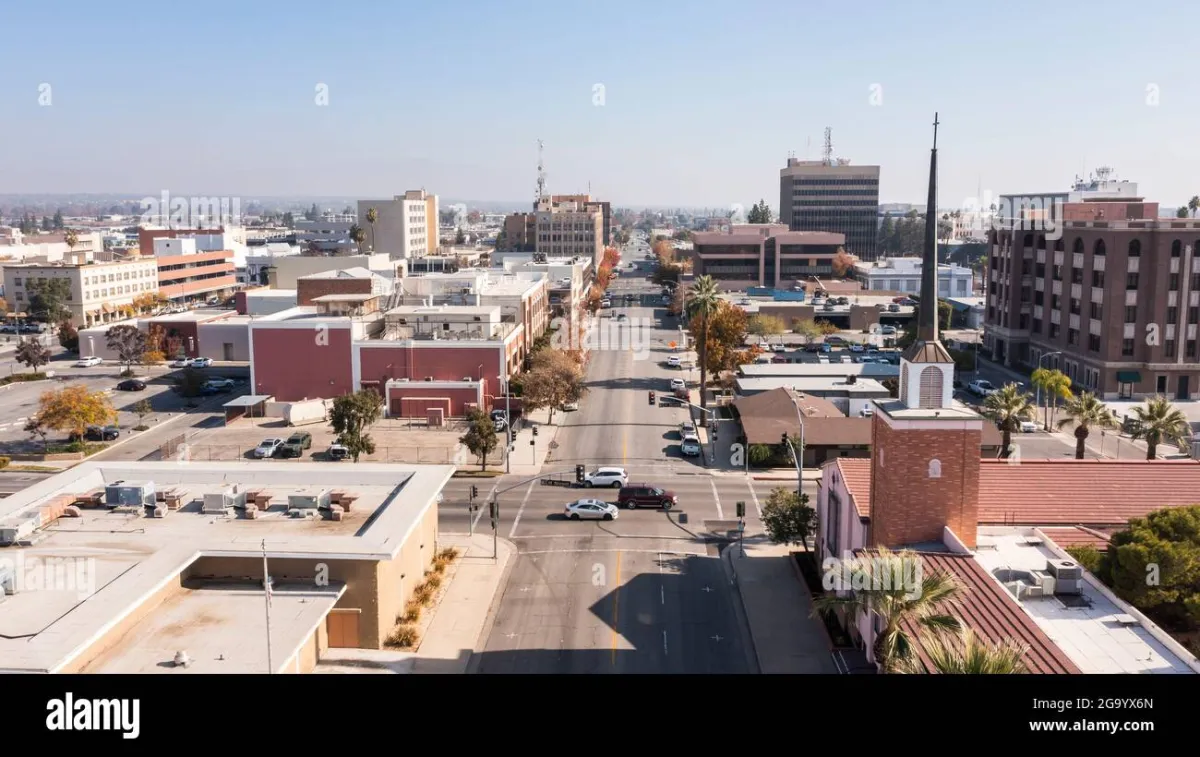 Photo: Bakersfield, California, via c8.alamy.com
Castellanos hadn't started out planning to become America's most wanted forger. He'd inherited his father's legitimate printing business in 1979, specializing in wedding invitations and business cards. But when a recession hit the Central Valley hard, desperate customers began asking if he could "help them out" with certain documents. A fake high school diploma here, a doctored employment record there — small jobs that paid well enough to keep the lights on.
 Photo: Central Valley, via coloringonly.com
"I told myself I was just helping people get back on their feet," Castellanos would later admit. "But somewhere along the way, it became about the challenge. Could I make something so perfect that nobody would ever know?"
The Education of a Master Forger
What made Castellanos different from other counterfeiters was his obsessive attention to detail. While most forgers focused on getting the big picture right, Castellanos studied everything: the exact weight of government paper, the chemical composition of different inks, the way genuine seals reflected light. He spent months perfecting the pressure and timing needed to recreate official embossing.
His breakthrough came when he realized that most people — even experts — looked for obvious signs of forgery rather than subtle perfections. So he deliberately introduced tiny, authentic-looking imperfections into his work: slightly uneven spacing that matched real government typing pools, ink variations that mimicked the way federal printers actually worked.
By 1985, Castellanos was producing documents that passed every standard authentication test. His fake Social Security cards, driver's licenses, and even immigration papers were being used successfully across three states. The FBI estimates that over 2,000 people used his documents without detection.
The Mistake That Changed Everything
Castellanos might have continued indefinitely if not for a single error that had nothing to do with his forgery skills. In 1986, he sold a fake birth certificate to an undercover agent — not because the agent suspected him, but because the agent was investigating an entirely different case and needed fake identification for his cover.
The irony wasn't lost on anyone involved. "Here was this federal agent, using our guy's fake ID to catch other criminals," remembered Special Agent Maria Santos, who led the investigation. "The document was so good that it passed our own internal security checks. That's when we knew we were dealing with someone special."
When agents finally traced the document back to Castellanos, they faced an unusual problem. His work was so sophisticated that they couldn't prove in court how they knew it was fake. Traditional forensic methods failed. Chemical tests came back inconclusive. Even microscopic examination revealed only minor inconsistencies that could be explained as normal manufacturing variations.
From Criminal to Consultant
Faced with the prospect of letting their most wanted forger walk free on a technicality, the FBI made an unprecedented offer. Instead of prosecution, they wanted Castellanos to teach them everything he knew. In exchange for his cooperation, he would receive immunity and a consulting contract.
"They basically said, 'We can't beat you, so we want you to join us,'" Castellanos recalled. "I figured it was better than twenty years in federal prison."
What started as a desperate deal became the foundation for an entirely new approach to document authentication. Castellanos spent three years working with FBI forensic experts, teaching them not just how to detect sophisticated forgeries, but how to think like a forger. His insights revolutionized federal document security and led to new authentication technologies still used today.
The Legacy of an Unlikely Teacher
Castellanos's work with the FBI extended far beyond catching other counterfeiters. His understanding of how documents could be manipulated helped federal agencies redesign everything from passports to Social Security cards. The security features he suggested — many based on techniques that would have defeated his own forgeries — are now standard in government documents worldwide.
Perhaps more importantly, his collaboration with federal investigators created a new model for dealing with sophisticated white-collar criminals. Rather than simply punishing expertise gained through illegal means, law enforcement began to recognize that criminal innovation could be redirected toward legitimate purposes.
Today, Castellanos runs a security consulting firm that helps businesses and government agencies protect against document fraud. His client list includes many of the same federal departments that once hunted him. "I spent ten years learning how to fool the system," he says. "Now I spend my time making sure nobody else can do what I did."
The Art of Perfect Imperfection
Looking back, Castellanos's story illustrates something profound about expertise and redemption. His criminal skills weren't just technical — they required an deep understanding of human psychology, institutional behavior, and the subtle ways that authenticity reveals itself. These same insights, applied legitimately, made him uniquely qualified to protect against the very crimes he once committed.
The small-town printer who set out to save his failing business ended up transforming how America protects its most sensitive documents. Sometimes the most unlikely teachers are the ones who've already learned every lesson the hard way.