Pink Slip to Purple Heart: Eight Americans Who Got Fired Into Fame

The Animator Who "Lacked Imagination"
Walt Disney was twenty-two when his editor at the Kansas City Star delivered the blow: "You lack imagination and have no good ideas." The firing stung, but it also freed Walt from the newspaper business and pushed him toward something completely different—animation.
 Photo: Walt Disney, via www.nationalww2museum.org
Within five years, he'd created Mickey Mouse. Within twenty, he'd revolutionized filmmaking with Snow White. The man who supposedly lacked imagination built an empire that's been sparking children's dreams for nearly a century. That editor? History doesn't even remember his name.
The lesson: Sometimes the people evaluating your potential are looking through the wrong lens entirely.
The Executive Who Got Ousted from His Own Company
Steve Jobs thought he was untouchable. He'd co-founded Apple, turned it into a billion-dollar company, and become the face of the personal computer revolution. Then, in 1985, his own board of directors showed him the door.
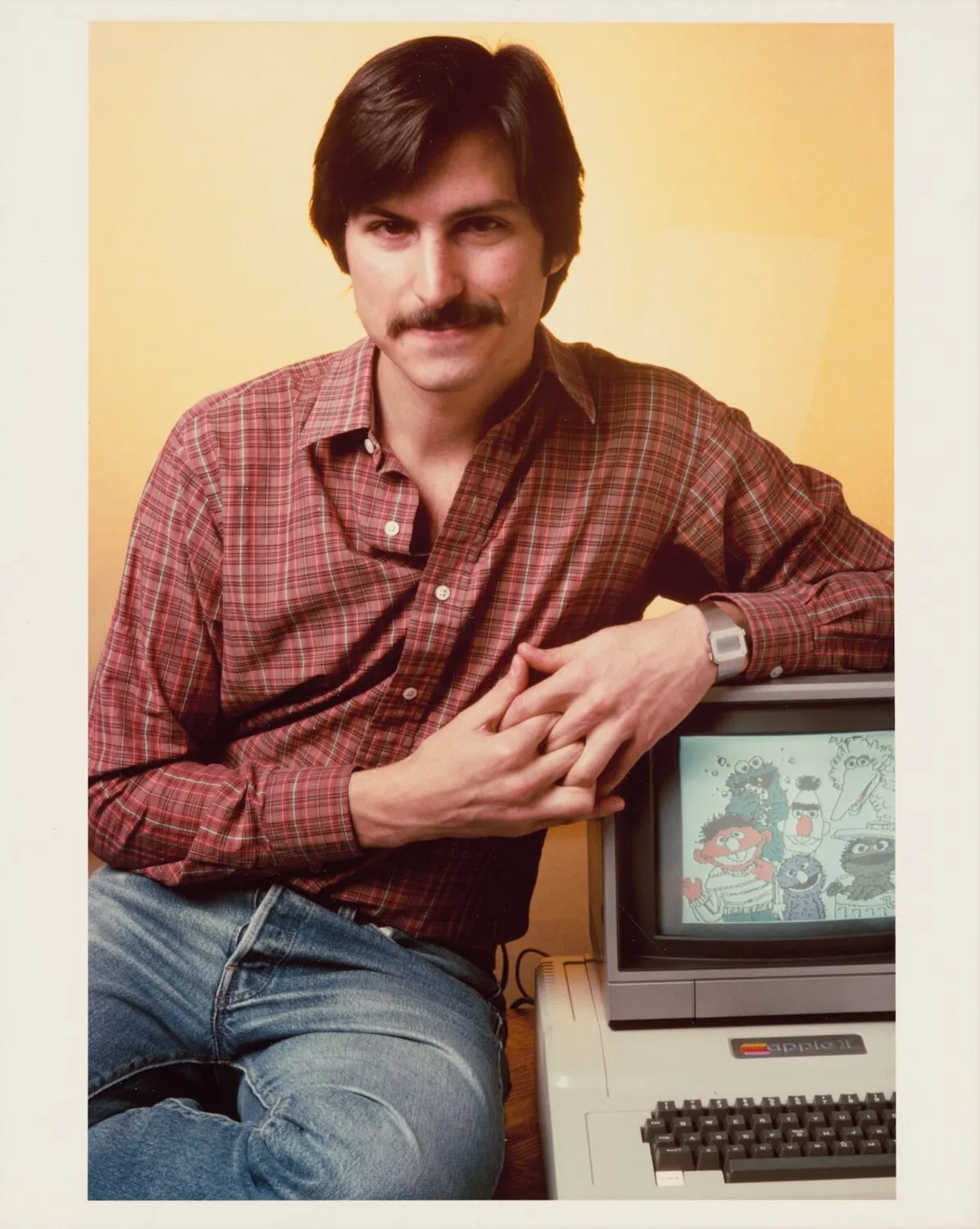 Photo: Steve Jobs, via book.stevejobsarchive.com
"I felt like I'd let the previous generation of entrepreneurs down," Jobs later said. "I was a very public failure." But that failure became his liberation. At Apple, he'd been constrained by corporate politics and investor expectations. Free from those limitations, he founded NeXT and bought a little animation studio called Pixar.
When Apple bought NeXT twelve years later, Jobs returned as CEO—not as the brash young founder who'd been fired, but as a seasoned leader who understood that great products matter more than ego. The rest, as they say, is iPhone history.
The Newsman Who Asked Too Many Questions
Dan Rather was a local reporter in Houston when his persistent questioning about a controversial city contract got him fired from KHOU-TV in 1962. His crime? Refusing to back down from a story that made powerful people uncomfortable.
That stubbornness caught the attention of CBS News, who hired him as a correspondent. Rather spent the next four decades becoming one of America's most trusted journalists, covering everything from the Kennedy assassination to Watergate. The man who was too aggressive for local TV became the face of network news.
Sometimes what makes you unemployable in one place makes you invaluable somewhere else.
The Waitress Who Wouldn't Stay Quiet
Oprah Winfrey lasted exactly seven months as a news anchor in Baltimore before getting demoted to co-hosting a local talk show called People Are Talking. The station executives thought she was "too emotional" for serious journalism—she cried during stories, got too involved with interview subjects, and generally failed to maintain the professional distance they wanted.
That "failure" at traditional journalism became the foundation for everything that followed. Oprah's emotional intelligence, her ability to connect with people, her refusal to maintain artificial barriers—all the qualities that made her a terrible news anchor made her a revolutionary talk show host.
By the time she left television, she'd built a media empire worth billions and changed how America talked about everything from book clubs to personal transformation.
The Athlete Who Was "Too Small"
Michael Jordan got cut from his high school basketball team as a sophomore. Coach Clifton "Pop" Herring thought Jordan was too short and not skilled enough to play varsity ball. The rejection devastated fifteen-year-old Michael, who went home and cried in his room.
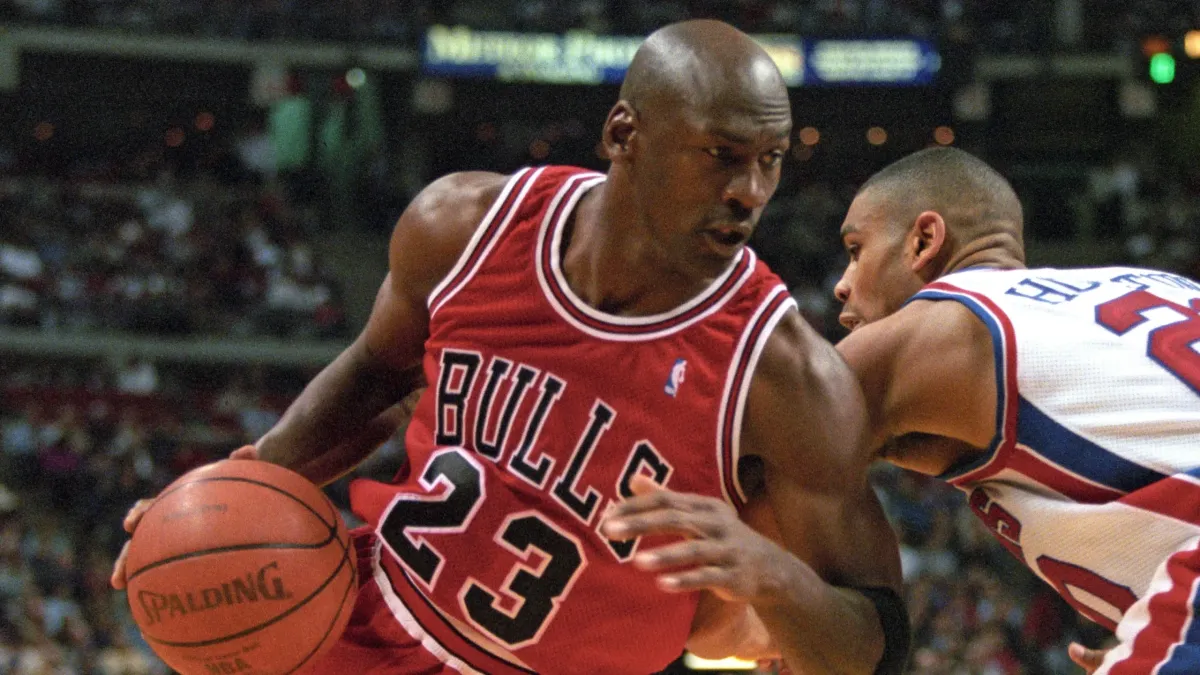 Photo: Michael Jordan, via www.hiptoro.com
But instead of giving up, Jordan used the rejection as fuel. He practiced obsessively, grew four inches, and made the team the following year. More importantly, he developed the relentless work ethic that would define his career. Every time he stepped on a court for the next twenty years, he was still proving Coach Herring wrong.
Six NBA championships and global icon status later, Jordan credits that high school rejection with teaching him that talent without effort means nothing.
The Writer Who Couldn't Get Published
Stephen King was working as a janitor at a high school when he submitted his novel Carrie to publisher after publisher. The rejections piled up—thirty of them—each one a small knife to his confidence as a writer. After the thirtieth "no," King threw the manuscript in the trash.
His wife, Tabitha, fished it out and convinced him to try one more publisher. Doubleday bought Carrie for $2,500—not enough to quit his day job, but enough to keep writing. When the paperback rights sold for $400,000, King finally understood that all those rejections hadn't been about the quality of his work—they'd been about finding the right match.
Carrie launched one of the most successful writing careers in history. King has since published over sixty novels, with total sales exceeding 350 million copies. Every rejection letter he received is now a reminder that "no" doesn't mean "never"—it just means "not yet."
The Singer Who Wasn't "Star Material"
Elvis Presley was nineteen when he auditioned for a local singing group called the Songfellows. After hearing him perform, the group's manager told Elvis he should stick to driving trucks because he "wasn't going anywhere" as a singer.
That rejection might have ended another person's musical dreams, but it pushed Elvis toward Sun Records, where producer Sam Phillips was looking for "a white man with the Negro sound." The combination of Elvis's voice, Phillips's vision, and the hunger that comes from being told you're not good enough created something entirely new: rock and roll.
Within two years, Elvis was the most famous entertainer in America. The man who "wasn't going anywhere" changed popular music forever.
The Comedian Who Bombed on Stage
Jerry Seinfeld was twenty-two when he got fired from his first comedy writing job after just three months. The head writer told him his material was "too observational" and "not funny enough for television." For a young comedian who'd dreamed of writing for TV, it felt like a career death sentence.
But that rejection forced Seinfeld back to stand-up comedy, where his observational style—the very thing that got him fired—found its perfect home. He spent the next decade honing his craft in comedy clubs, developing the voice that would eventually make him famous.
When he finally returned to television with Seinfeld, his observational comedy revolutionized sitcoms. The show about "nothing" became one of the most successful series in TV history, proving that sometimes you don't need to change your style—you just need to find the right audience.
The Pattern Behind the Pink Slips
What connects these eight stories isn't just the firing—it's what happened next. Each person could have seen their dismissal as proof they weren't good enough. Instead, they used it as evidence that they were in the wrong place, working for the wrong people, or trying to fit into someone else's vision of success.
Walt Disney's "lack of imagination" became his greatest strength when he stopped trying to be a newspaper illustrator and started creating animated worlds. Steve Jobs's departure from Apple taught him lessons he could never have learned while comfortable in the corner office. Oprah's "emotional" interviewing style became her signature when she stopped trying to be the kind of journalist other people wanted her to be.
The Gift of Getting Fired
Getting fired forces a reckoning. It strips away the comfortable illusion that you're on the right path just because you have a paycheck. It creates the kind of desperation that breeds innovation, the kind of hunger that fuels extraordinary effort.
More importantly, it teaches you that other people's opinions of your potential are just that—opinions. Walt Disney's editor was wrong about his imagination. Steve Jobs's board was wrong about his leadership. Elvis's audition panel was wrong about his talent.
The people who fired these eight Americans weren't malicious—they were just limited by their own vision of what success looked like. They couldn't see past conventional definitions of talent, marketability, or potential.
The Last Laugh
Today, when someone gets fired, we offer sympathy and help them update their resume. Maybe we should offer congratulations instead. Not because losing a job isn't painful—it absolutely is—but because sometimes it's the only thing dramatic enough to shake us out of settling for less than we're capable of.
Every person on this list would tell you that getting fired was one of the best things that ever happened to them. Not because rejection feels good, but because it forced them to stop asking for permission and start creating their own opportunities.
In a world that teaches us to fear failure, these eight Americans remind us that sometimes the worst thing that happens to you is actually life clearing the path for something better. You just have to be brave enough to walk down it.