Hidden in Plain Sight: The Love Letters That Rewrote American History
The Intimacy of Truth
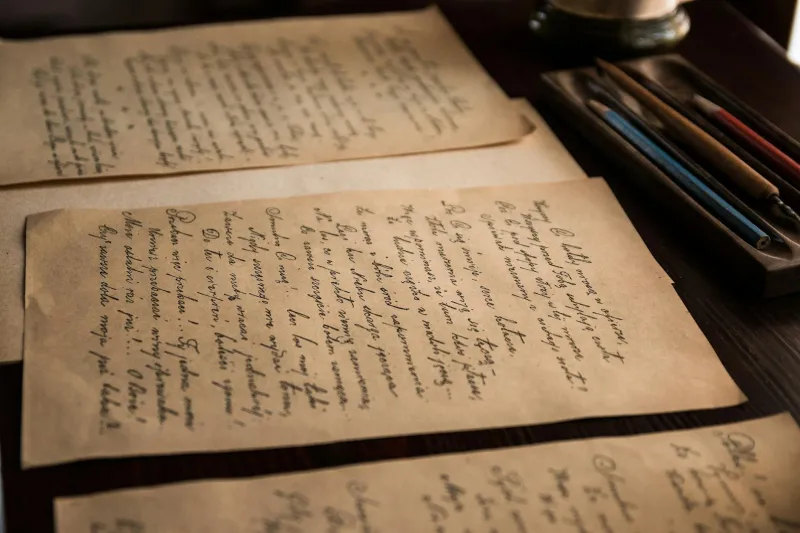
In 1987, Margaret Chen was cleaning out her late grandmother's house in San Francisco's Chinatown when she found something that would rewrite the history of Chinese immigration to America. Tucked inside a cookbook were 47 love letters written in Chinese, dated between 1943 and 1947. Margaret almost threw them away.
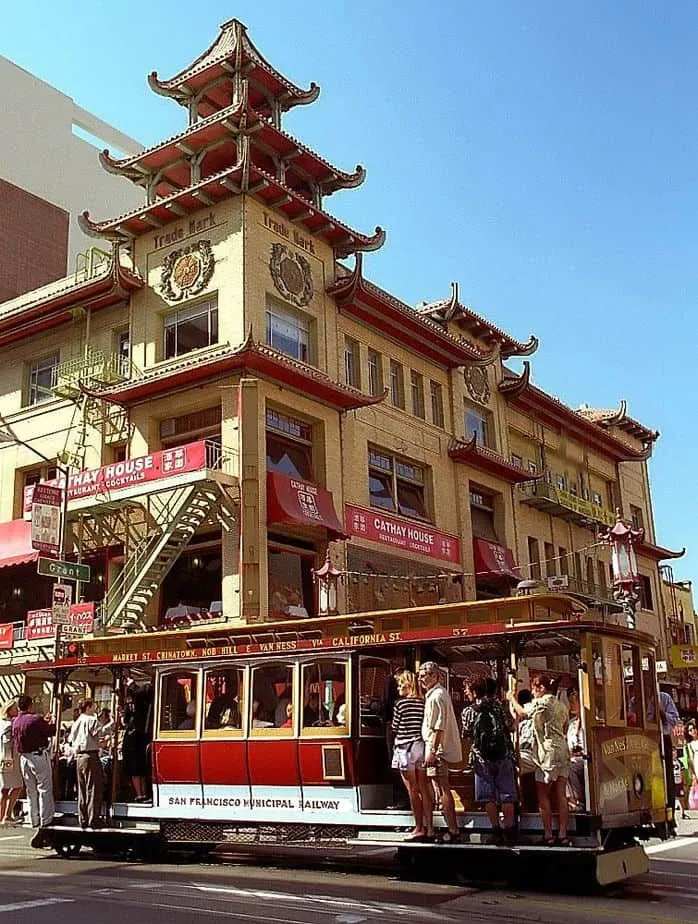 Photo: San Francisco's Chinatown, via i.pinimg.com
Those letters, exchanged between her grandparents during World War II, contained detailed accounts of Chinese-American life during the war years—perspectives that had been almost entirely absent from official historical records. The correspondence revealed how Chinese-American families navigated wartime rationing, workplace discrimination, and the complex emotions of supporting a war effort in a country that had long excluded them.
"History books told me what laws were passed," Margaret reflects. "These letters told me how those laws felt."
Margaret's accidental discovery illustrates a profound truth: the most authentic records of American experience often survive not in government archives or newspaper headlines, but in the private words people wrote to those they loved most.
When Love Preserves What Power Forgets
Personal correspondence has an almost magical ability to survive when official records disappear. Letters tucked into jewelry boxes, postcards pressed between book pages, and notes folded into wallets somehow endure decades after government documents have been lost or destroyed. More importantly, these intimate writings capture truths that formal records often miss entirely.
Consider the discovery made by James Morrison, an estate sale regular from Portland, Oregon. In 2003, he bought a wooden trunk for $15, hoping to refinish it. Inside, he found over 200 letters exchanged between a Union soldier named Thomas Wright and his wife Sarah during the Civil War.
What made these letters extraordinary wasn't their rarity—Civil War correspondence is relatively common. What stunned historians was their content. Thomas Wright was Black, serving in one of the first African American regiments, and his letters provided unprecedented detail about the experiences of Black soldiers during the war.
"Most official military records from that period barely mention Black soldiers," explains Dr. Patricia Williams, a Civil War historian at Georgetown University. "These letters gave us voices that had been systematically excluded from the historical record."
 Photo: Georgetown University, via www.internhousinghub.com
The Wright letters revealed everything from daily camp life to the complex emotions Black soldiers felt fighting for a country that had enslaved their families. They documented racism within the Union Army, friendships across racial lines, and the hopes these men carried for what victory might mean for their children.
Love Letters from the Underground Railroad
Perhaps no discovery illustrates the historical power of personal correspondence more dramatically than the find made by renovation workers in Baltimore in 1994. While gutting a rowhouse scheduled for demolition, they discovered a cache of letters hidden behind a false wall—correspondence that revealed the house had been a station on the Underground Railroad.
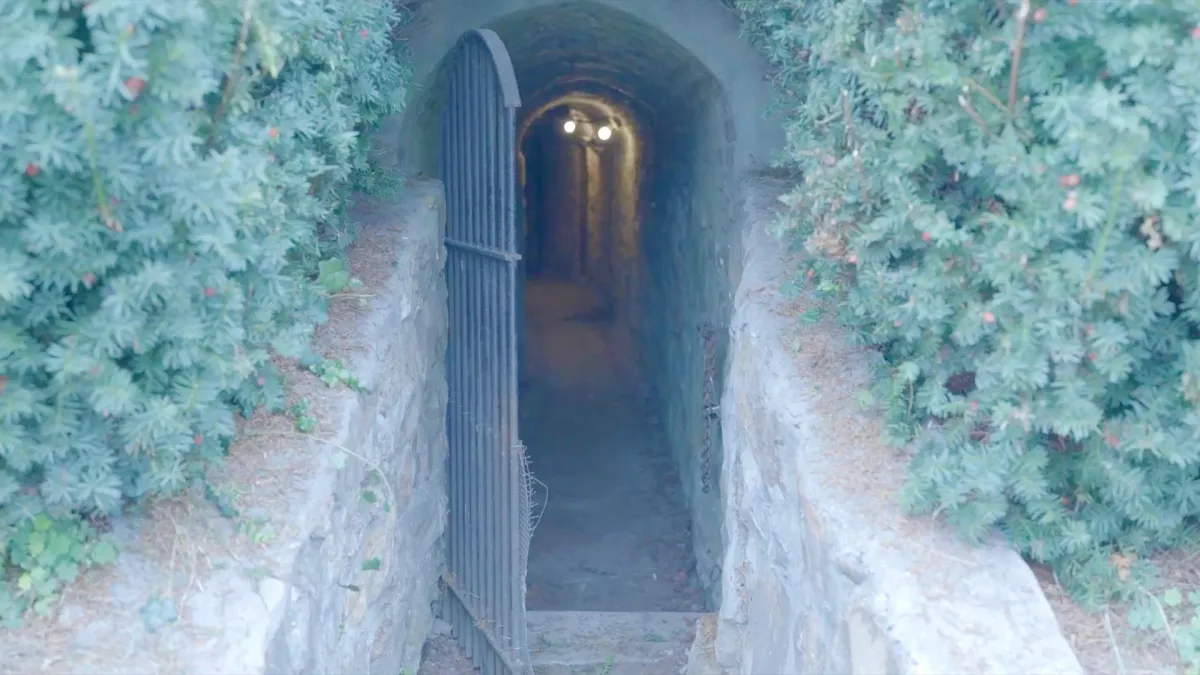 Photo: Underground Railroad, via image.pbs.org
The letters, written between 1847 and 1859, were exchanged between the house's owners, a free Black couple named Samuel and Ruth Johnson, and various contacts throughout the South. But these weren't coded messages about "packages" and "shipments." They were love letters—notes Samuel wrote to Ruth during his dangerous trips south, and letters Ruth sent to her sister in Philadelphia describing the fear and hope of sheltering freedom seekers.
"We always knew the Underground Railroad existed," says Dr. Michael Stevens, who studied the Johnson letters extensively. "But these letters showed us the emotional reality of what it meant to risk everything for strangers, night after night, year after year."
Ruth's letters to her sister contained practical details missing from most historical accounts: how they muffled the sounds of footsteps in the basement, where they hid food, how they explained mysterious visitors to suspicious neighbors. But they also revealed the psychological toll of constant fear and the deep satisfaction of helping families reach freedom.
One letter from Ruth to her sister, dated March 1853, captures both the terror and the purpose: "Last night we sheltered a mother with three children, the youngest barely walking. When they left this morning, the mother pressed a small wooden cross into my hand. She had carved it herself during the journey. I keep it on my nightstand now, and when I'm frightened, I remember that love is always stronger than fear."
The Immigrant Experience in Ink
Some of the most revealing historical discoveries have emerged from the letters immigrants sent home to families in Europe, Asia, and Latin America. These writings provide unfiltered accounts of American life from the perspective of people experiencing it for the first time.
In 2008, renovation of an old tenement building in New York's Lower East Side uncovered a collection of letters written by Italian immigrants between 1902 and 1920. The correspondence had been abandoned when families moved out, left behind in drawers and forgotten spaces.
These letters painted a picture of immigrant life that differed significantly from both official immigration records and the romanticized narratives often found in family histories. They documented not just the hardships—overcrowded living conditions, workplace exploitation, language barriers—but also the small victories and unexpected joys of building new lives in America.
One letter from Giuseppe Rossi to his brother in Sicily, dated 1908, captures the complexity of the immigrant experience: "You ask if I regret coming to America. It is not a question I can answer simply. My hands are rough from factory work, and my English is still poor. But yesterday, my son Antonio brought home a report card with marks that would make you proud. Here, he can become anything he dreams of becoming. That possibility did not exist for us at home."
The Women's Voices History Missed
Women's experiences have been systematically underrepresented in traditional historical records, making their personal correspondence particularly valuable to historians. Love letters, diary entries shared between friends, and notes between mothers and daughters often provide the only detailed accounts of women's daily lives in earlier eras.
The discovery of correspondence between women involved in the early labor movement has been particularly illuminating. In 1999, the demolition of a factory building in Lawrence, Massachusetts, revealed letters hidden in the walls—correspondence between women who had participated in the famous 1912 "Bread and Roses" textile strike.
These letters, written in multiple languages and exchanged during and after the strike, provided intimate accounts of what it meant to be a working woman in industrial America. They described not just the labor conditions that sparked the strike, but the personal costs of activism: lost wages, family tensions, and the fear of blacklisting.
One letter from Maria Torretti to her cousin in Italy, written shortly after the strike, reveals both the hardship and the empowerment of collective action: "The bosses think they have won because we returned to work. But something has changed in us. We know now what we are worth, and we will not forget. I may bend over my loom twelve hours a day, but in my heart, I stand tall."
Digital Age, Analog Hearts
In our era of digital communication, physical letters have become even more precious as historical artifacts. The emails and text messages we send today may not survive the technological changes ahead, making handwritten letters from recent decades potentially irreplaceable records of contemporary life.
Historians are already noting the relative scarcity of personal correspondence from the 1990s and 2000s, as phone calls replaced letters and emails replaced phone calls. This "digital dark age" may leave future historians with fewer intimate accounts of how ordinary Americans experienced the turn of the millennium, the September 11 attacks, and the early days of the internet.
The love letters being written today—yes, people still write them—may become the primary source material for future historians trying to understand how we lived, loved, and made sense of our rapidly changing world.
The Democracy of Discovery
One of the most remarkable aspects of these historical discoveries is how often they're made by ordinary people rather than professional historians. Estate sale browsers, renovation workers, and people cleaning out relatives' homes have uncovered some of America's most significant primary source materials.
This democratization of historical discovery reflects a deeper truth: the most important stories of American life weren't necessarily lived by famous people or documented in official records. They were lived by ordinary individuals whose private words to loved ones captured truths that no government document or newspaper article could convey.
Why Love Letters Last
There's something about love letters that makes them survivors. Perhaps it's because they're written with the assumption that someone will treasure them enough to keep them safe. Or maybe it's because love itself is a preservative force—the care with which these letters were originally saved often extends across generations, even when their historical significance isn't recognized.
Whatever the reason, love letters have consistently provided historians with their most vivid and honest accounts of American life across different eras. They remind us that history isn't just what happened in Washington D.C. or on battlefields—it's what happened in kitchens and factories, on farms and in tenements, wherever ordinary people struggled to build lives worth living.
The Stories Still Waiting
Somewhere in America today, tucked inside old books and forgotten in attic boxes, are letters that will reshape our understanding of the past. Future historians will depend on these accidental archives to understand not just what happened in our time, but how it felt to be alive during these years of rapid change.
The next great historical discovery might be waiting in your own family's papers—not in the official documents you've carefully preserved, but in the love letters you've never thought to read. The most profound truths about American life, it turns out, have always been hidden in plain sight, waiting for someone to recognize their power.
In an age of digital communication and official records, these handwritten testimonies of love remind us that the heart of history isn't found in monuments or government buildings. It's found in the words people wrote to each other in private moments, when they thought no one else would ever read them. Those words, it turns out, were meant for all of us.