Second String, First Place: Eight Understudies Who Rewrote the Script
They weren't supposed to be the star. They were backup plans, stand-ins, and second choices who stepped up when history called—and delivered performances that changed everything.
The unlikeliest stories. The greatest lives.
They weren't supposed to be the star. They were backup plans, stand-ins, and second choices who stepped up when history called—and delivered performances that changed everything.

Dr. Patricia Nakamura wrote the resignation letter three times, each draft sharper than the last. The decision not to send it changed the course of American medicine forever.
From misdirected shipments to wrong turns that led to gold mines, some of America's biggest success stories started with someone else's screwup. These nine companies prove that sometimes the best opportunities come from the mistakes you never made.
Norman Bel Geddes flunked out of art school and got laughed out of architecture firms. But his wild sketches of a connected America convinced skeptical politicians to build the highway system that changed everything. Sometimes the biggest ideas come from the people nobody takes seriously.

When Dr. Frances Kelsey volunteered for the FDA job nobody wanted, she thought she was taking a quiet government position. Instead, she became the woman who saved America from thalidomide and changed how we test drugs forever.
In 1946, a substitute mail carrier delivered a package to the wrong address in downtown Chicago. That simple mistake would accidentally create one of America's most unexpected business dynasties and revolutionize how we think about entrepreneurship.
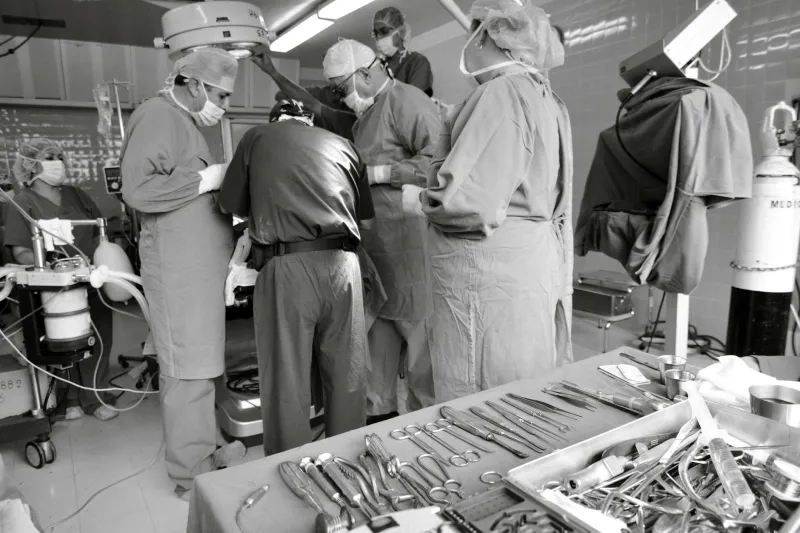
Rebecca Martinez had no medical degree, no formal training, and no invitation when she walked into Johns Hopkins Hospital in 1943. What she did have was an idea that would revolutionize surgery and a determination that wouldn't take no for an answer.
From deathbed donations to whispered instructions, these nine Americans used their final moments to set in motion changes that would outlive them by centuries. Their last acts became lasting legacies that still shape our world today.
From Rosa Parks nearly skipping the bus that day to a reluctant scientist who almost missed the expedition that made his career, America's most pivotal moments often hung on someone's last-minute decision to show up. Here are nine times hesitation almost cost us history.
Elias Dumont entered Millfield Correctional Facility as an innocent man facing fourteen years behind bars. He emerged as one of America's most respected botanists, having discovered two new plant species and revolutionized prison agriculture programs across the Southwest—all from a 20x30 foot garden plot.
Mort Kunstler spent forty-three years crafting obituaries for the Dayton County Gazette, turning final farewells into small masterpieces that nobody noticed. Then one widow's letter changed everything, launching him toward literary stardom at an age when most writers have long since put down their pens.
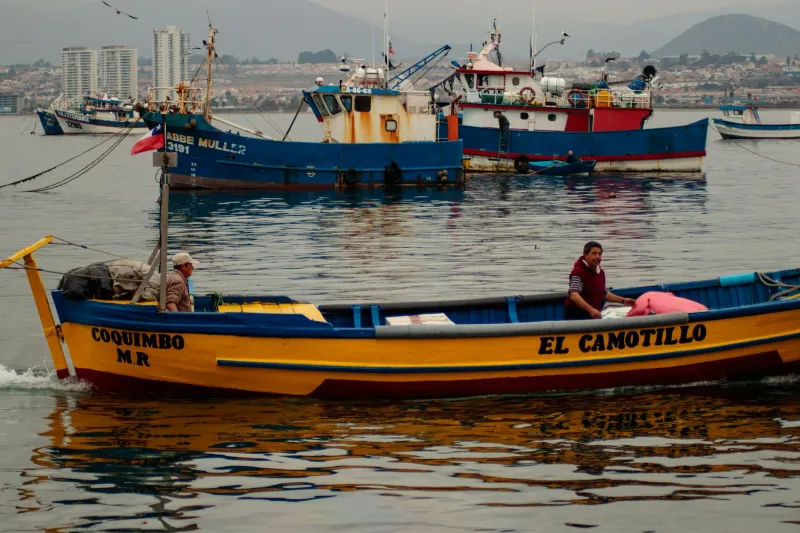
Captain Frank Morrison spent forty years hauling traps off the Maine coast, meticulously recording every detail in weathered notebooks. When marine biologists finally saw his records, they discovered data that academia had spent decades trying to collect.
David Brennan's severe stutter made him unemployable in communications — until he discovered that his struggle to speak had taught him to write with a power that could move millions. His words would define American advertising for a generation.
From corporate boardrooms to championship games, these nine Americans stepped into the spotlight when everyone else had given up. Their stories prove that readiness rarely announces itself in advance.
Marcus Williams entered Attica Correctional Facility in 1982 with a life sentence and no technical skills. Twenty-three years later, he walked out with seventeen patents and a manufacturing empire waiting for him.
Jenny Morrison showed up to run a 5K charity race in 1994. A registration error put her in the marathon instead. Rather than quit, she decided to see what would happen—and accidentally launched one of the most unlikely distance running careers in American sports history.
Tommy Rodriguez never set foot in medical school, but his relentless pursuit of answers after a family tragedy led him to identify a misdiagnosed condition that had stumped doctors for generations. His discovery forced hospitals nationwide to rewrite their diagnostic protocols.
For forty years, Harold Brennan filed insurance claims by day and painted masterpieces by night. Nobody knew about his art until after he died—then the auction house called it "the find of the century."
When federal regulators tried to shut down Captain Joe Martinelli's fishing operation, they probably didn't expect him to spend the next seven years buried in law books. What happened next changed American maritime rights forever.
For forty years, Willie Johnson mopped floors by day and played trumpet by night in Chicago's forgotten corners. Then a chance recording session at 67 launched him into jazz stardom, proving that some melodies are worth the wait.