Broke at Fifty, Brilliant at Fifty-One: The Writer Who Found Her Voice in the Wreckage

Photo: Shixart1985, CC BY 2.0, via Wikimedia Commons
There's a particular silence that follows bankruptcy. Not the dramatic silence of a courtroom or the awkward silence of a difficult conversation — something quieter and stranger than either of those. It's the silence of a life that has been stripped down to its load-bearing walls. Everything decorative, everything performative, everything you accumulated to signal success to the world: gone. What's left is just you, and the question of what you actually want to do with whatever time remains.
For some people, that silence is unbearable. For a few remarkable ones, it turns out to be exactly what they needed to hear.
The Life Before the Fall
She had built what looked, from the outside, like a solid American life. A career in marketing. A house in the suburbs. The kind of resume that gets you nodding respect at dinner parties. She'd been competent, organized, professionally useful — all the things the world rewards with steady paychecks and the comfortable illusion of security.
What she hadn't been, for most of her adult life, was a writer. Not really. There had been notebooks, sure. There had been ideas that surfaced at inconvenient moments — on commutes, in meetings, in the ten minutes before sleep arrived. She had the instinct. She'd never made the space.
Then the space made itself.
The business she'd invested in collapsed. The savings evaporated. The house went. At fifty-two, she filed for Chapter 7 bankruptcy and sat in a one-bedroom apartment in a city that felt suddenly enormous, with a to-do list that had been reduced to a single, terrifying item: figure out what comes next.
The Typewriter on the Kitchen Table
She'd kept the typewriter through the asset liquidation — an old electric model, nothing valuable, the kind of thing that slips through because nobody thinks to appraise it. It sat on her kitchen table for three weeks before she touched it.
What finally moved her toward it wasn't inspiration. It was boredom, and maybe a little desperation. She had a story she'd been carrying around in her head for years — a multi-generational family saga set in the American South, drawn loosely from fragments of family history she'd collected over decades. She'd always told herself she'd write it someday, when she had time, when she had the right circumstances, when life settled down enough to make room.
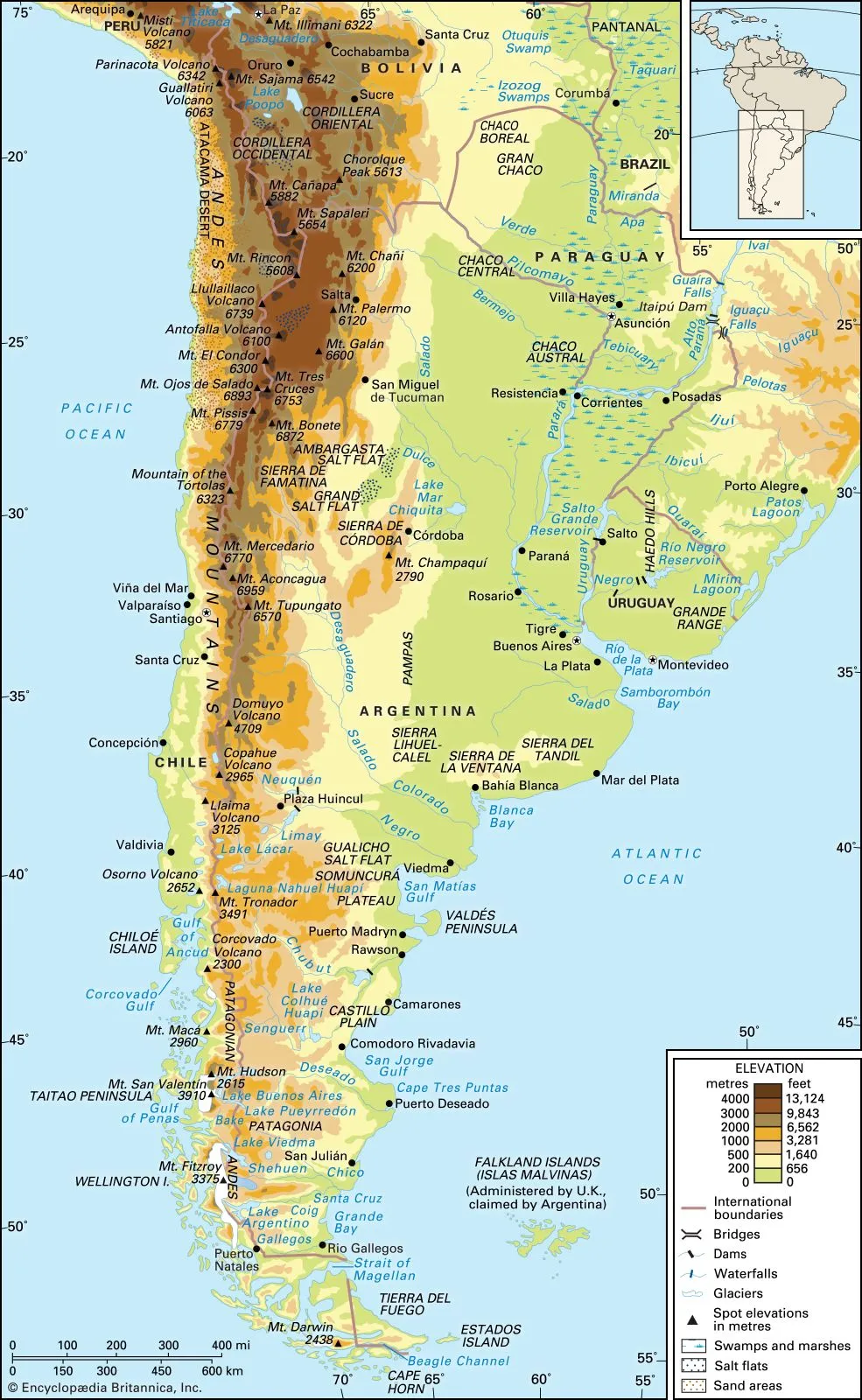 Photo: American South, via cdn.britannica.com
Life had settled down, all right. Into rubble.
So she sat down and started typing.
The Draft That Took Two Years
The first draft was, by her own description, a disaster. Too long, structurally incoherent, the voice shifting between chapters like a radio searching for a signal. She rewrote it almost entirely. Then rewrote it again. She was working part-time at a library by then, reshelving books and quietly absorbing the work of writers she admired, studying the architecture of novels the way a carpenter studies joints.
The financial pressure never fully lifted. There were months when she wasn't sure she could cover rent. She applied for grants, received a small one from a state arts council, and kept going. Friends worried about her. Some suggested she get back into marketing, just temporarily, just to stabilize things. She listened politely and kept typing.
What she was discovering, slowly, was that the bankruptcy had done something unexpected. It had removed the option of half-measures. Before the collapse, she could always tell herself the writing was something she'd get serious about eventually. Now there was no eventually. There was just the page in front of her and the story she'd been deferring for thirty years.
What the Manuscript Said
The novel she eventually completed was the kind of debut that makes agents and editors use the word "luminous" in ways they usually reserve for writers they've been following for decades. It was a big, ambitious, emotionally complicated book — not a safe first novel at all. It had the confidence of someone who had nothing left to lose, because she didn't.
The rejection letters still came, at first. She collected them without ceremony, revised where the feedback warranted it, and sent the manuscript back out. Literary publishing moves at its own pace, indifferent to anyone's financial timeline.
When the acceptance finally arrived, she was sitting at the same kitchen table, eating cereal for dinner.
The Reviews, the Readers, the Reckoning
The book found its audience with the particular momentum that belongs to stories that feel true in the bones. Readers passed it to other readers. Book clubs picked it up. It landed on year-end lists. The writer who had filed for bankruptcy in her early fifties was suddenly being interviewed about craft and process and what it felt like to publish a debut novel at an age when most people in her industry considered the window closed.
Her answer was always some version of the same thing: the bankruptcy wasn't the obstacle. The bankruptcy was the permission slip.
Before the collapse, she'd had too much to protect. The career, the house, the reputation, the comfortable story she told herself about who she was and what she was capable of. Losing all of it was devastating. It was also, eventually, clarifying in a way that nothing else in her life had been.
She stopped writing the novel she thought she was supposed to write and started writing the one she actually had inside her.
The Chapters Nobody Plans For
American culture has a complicated relationship with failure. We celebrate the comeback story, but we expect it to come fast — the startup that pivots, the athlete who recovers, the entrepreneur who files bankruptcy on Tuesday and launches a new company by Thursday. We're less comfortable with the slower version, the one where the wreckage just sits there for a while and a person has to learn to live inside it before anything new can grow.
Her story is the slower version. It took years. It required sitting with the discomfort of not knowing, of having no clear path, of being a middle-aged woman in a small apartment with a typewriter and a dream that the practical world had no particular interest in validating.
What she produced in that silence was a novel. What the novel produced, for the readers who found it, was the particular comfort of a story told by someone who had genuinely been somewhere hard and come back with something real to say.
The best chapters of a life, it turns out, don't always come first. Sometimes they're the ones you write after you've lost the plot entirely — and have nothing left to do but start again from scratch.