They Voted to Vanish — and Became Unforgettable
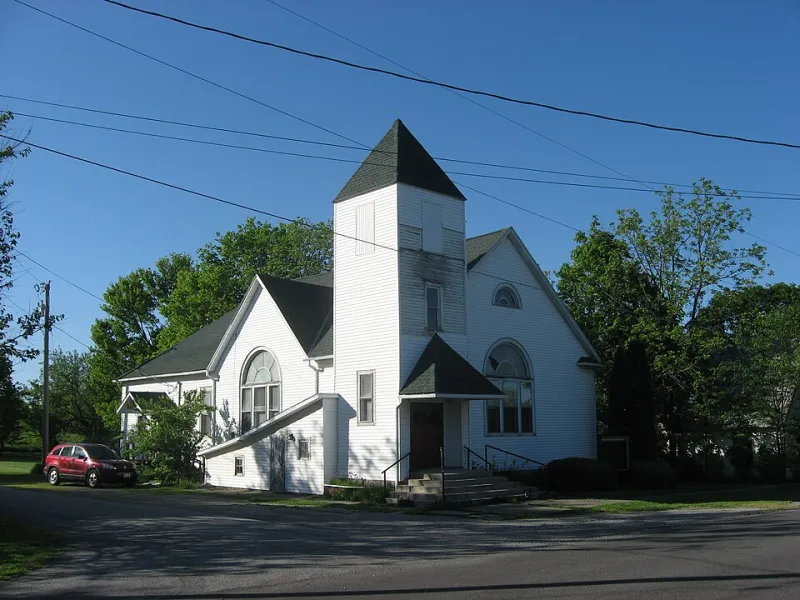
Photo: Nyttend, Public domain, via Wikimedia Commons
Most towns die fighting. They hold fundraisers and write letters to their congressmen. They launch revitalization committees and print hopeful banners. They do everything possible to avoid the thing that's already happening — the slow, grinding erasure of a place that people once called home.
And then there was Calder's Crossing, Kansas.
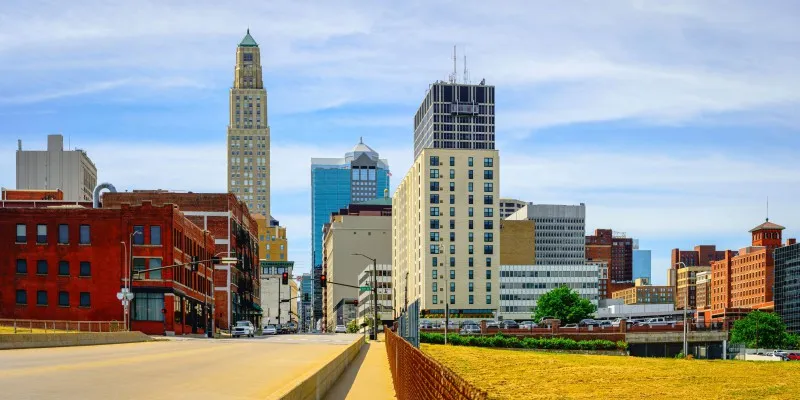 Photo: Calder's Crossing, Kansas, via photos.scavengerhunt.com
In the autumn of 1931, in the depths of the Depression, with the bank closed and the harvest failed for the third straight year and the last general store boarding its windows, the 214 remaining residents of Calder's Crossing did something that no American community had ever done quite so deliberately: they called a meeting, took a vote, and chose to disappear.
Not to fight. Not to petition. Not to wait and hope.
To go.
The Vote That Changed Everything
The meeting was held in the Lutheran church on the second Saturday of October. It lasted four hours. By the accounts of those who were there — several of whom were interviewed by the Kansas Historical Society decades later — it was not a dramatic evening. There were no speeches, no tears, no grand declarations. It was, by most recollections, more like a budget meeting than a funeral.
The proposal on the table was practical to the point of being blunt: the remaining landowners would pool their properties, negotiate a collective sale to a land trust being assembled by a group of agricultural investors out of Wichita, divide the proceeds proportionally, and formally petition the county to dissolve the township. Everyone who wanted to leave would have enough money to start somewhere else. Everyone who wanted to stay could — but they'd be staying on land they no longer owned, in a place that no longer legally existed.
The vote was 187 to 27 in favor.
By the following spring, Calder's Crossing had ceased to exist as a legal entity. The post office closed. The road signs came down. The church — the same one where the vote had been held — was the last building standing, and it was sold to a private buyer from Topeka who intended to dismantle it for lumber.
He never did.
What Letting Go Looks Like
The residents scattered across Kansas, Missouri, Oklahoma, and Colorado. Some did well. Some didn't. A few came back to the region eventually, settling in nearby towns that were still holding on. The land itself was absorbed into large agricultural tracts and farmed for decades by people who had no idea what had stood there before.
For about twenty years, Calder's Crossing was simply gone. Not famous, not remembered, not mourned in any public way. Just gone.
Then, in 1953, a writer named Dorothy Pell published a short piece in a regional literary magazine about her childhood in the town. It was not a particularly polished piece of writing. But it had something in it — a quality of clear-eyed grief, a refusal to romanticize the place while also refusing to dismiss it — that caught people's attention in a way that surprised even the magazine's editors.
 Photo: Dorothy Pell, via d24pb0tc2lc7uj.cloudfront.net
Letters arrived. More than anyone expected. From people who had grown up in Calder's Crossing, yes, but also from people who had never heard of it — people who recognized something in the story of a place that chose its own ending.
The Ghost That Wouldn't Stay Quiet
What followed over the next several decades was one of the stranger second acts in American cultural history. Calder's Crossing, the nonexistent town, became a subject of genuine fascination.
Artists came to photograph the church — the one that hadn't been dismantled — and the faint outlines of foundations visible in the Kansas grass. A university folklorist wrote her dissertation on the oral histories of the former residents. A documentary filmmaker spent two years interviewing the children and grandchildren of the people who had voted that October night.
By the 1970s, the church had been placed on the National Register of Historic Places, a designation that struck more than a few observers as deeply ironic: the most formally recognized structure in a town that had voted to stop being a town.
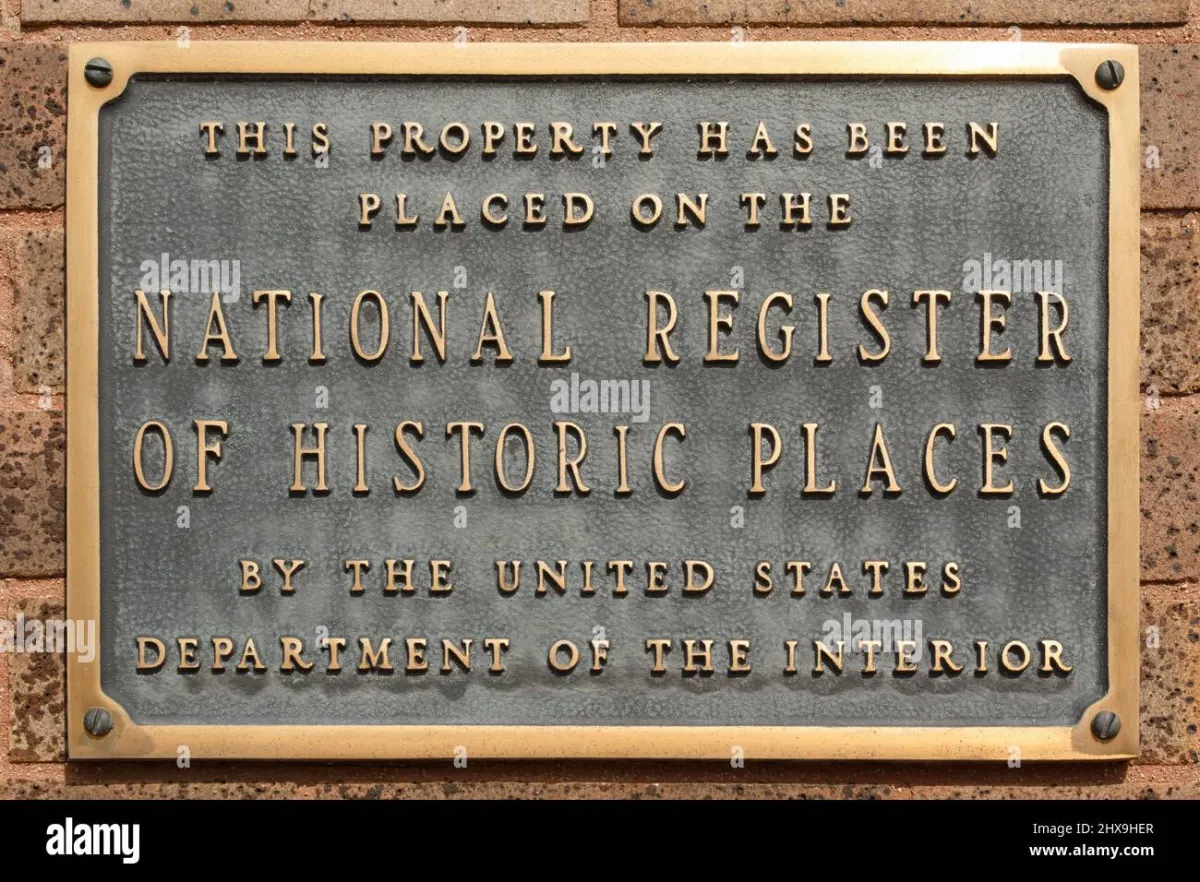 Photo: National Register of Historic Places, via c8.alamy.com
Entrepreneurs came too, eventually. A bed and breakfast opened in the nearest town, twelve miles east, marketing itself explicitly to visitors making the pilgrimage to see the Calder's Crossing site. A small press published a collection of first-person accounts from former residents. Historians began using the story as a case study in community decision-making, economic despair, and collective agency.
None of this would have happened if the town had survived.
The Paradox Nobody Planned
There's a particular American mythology around persistence — the idea that the right response to collapse is always to dig in, hold on, refuse to quit. It's a mythology with genuine power, and it's produced genuine heroes. But Calder's Crossing tells a different story, one that's harder to package but maybe just as true.
Sometimes the most consequential thing a community can do is acknowledge what's already over.
The residents who voted to dissolve in 1931 were not giving up in any self-pitying sense. They were being precise. They looked at what they had, what they owed, what was coming, and they made a decision together — one of the last decisions they'd ever make together — that preserved something even as it ended everything.
What they preserved, it turned out, was the story itself. And stories, unlike towns, don't need a water tower or a zip code to survive.
The church at Calder's Crossing still stands. The Kansas wind has had its way with it for ninety years, and it looks like something that should have fallen down a long time ago. People drive out to see it on weekends, standing in the grass where the main street used to run, trying to picture what 214 people in the Depression saw when they looked at each other across the pews and decided that the most honest thing they could do was leave.
It's a strange kind of monument — a building that survived because the town around it didn't. A place that became famous by disappearing.
Some legacies are built. This one was dismantled, piece by piece, by the people who loved it most. And somehow, improbably, that made it last.