Success has a funny way of showing up uninvited. While most entrepreneurs spend years crafting business plans and seeking investors, some of America's most enduring companies began with a simple mistake — a wrong address, a misdirected shipment, or someone showing up exactly where they weren't supposed to be.
1. Wrigley's Gum: The Soap Salesman's Sweet Accident
William Wrigley Jr. came to Chicago in 1891 to sell soap. His brilliant marketing idea? Give away free baking powder with every purchase. When the baking powder became more popular than the soap, he switched businesses. Then he started giving away free chewing gum with the baking powder. You can guess what happened next.
By 1893, Wrigley was manufacturing gum full-time. The company that started as a promotional mistake became the world's largest gum manufacturer. Sometimes the throw-in becomes the main event.
2. Avon: When Door-to-Door Book Sales Went Sideways
David McConnell spent the 1880s trudging door-to-door selling books to housewives who weren't particularly interested in reading. To sweeten his sales pitch, he started giving away small vials of perfume he mixed himself. The books gathered dust, but women kept asking about the perfume.
McConnell ditched literature for cosmetics, founding what would become Avon. The California Perfume Company (later Avon) built an empire on the realization that he'd been selling the wrong product to the right market all along.
3. Raytheon: The Candy Bar That Launched a Kitchen Revolution
In 1945, Raytheon engineer Percy Spencer was testing a military radar device called a magnetron when he noticed something odd — the candy bar in his pocket had melted. Instead of dismissing it as an annoying side effect, Spencer got curious.
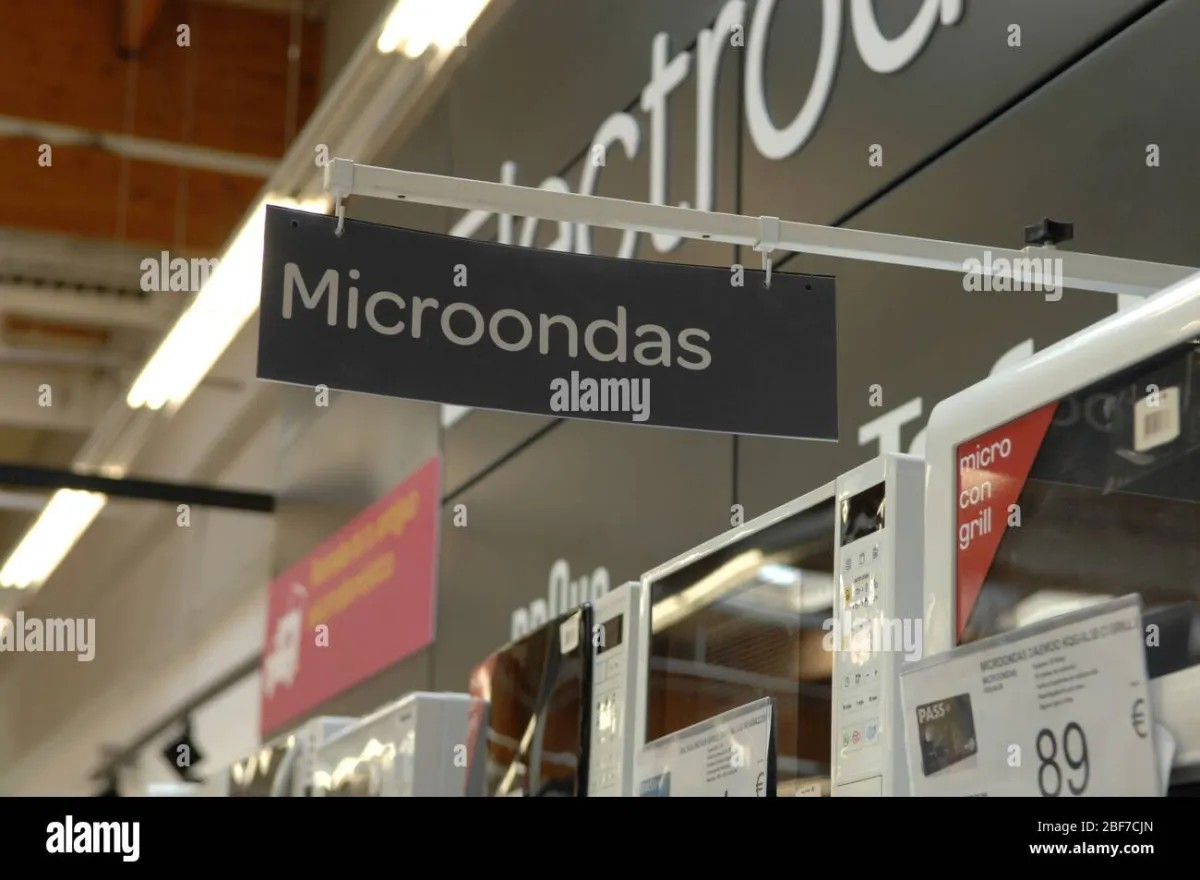 Photo: Percy Spencer, via c8.alamy.com
He tried popping corn kernels near the magnetron. They popped. He tried an egg. It exploded. Within two years, Raytheon had developed the first commercial microwave oven. A workplace accident became a kitchen revolution that transformed how Americans cook.
4. Ivory Soap: The Batch That Wouldn't Sink
In 1879, a Procter & Gamble worker accidentally left a soap-mixing machine running during his lunch break. The extra air whipped into the batch created a soap so light it floated. Most companies would have thrown out the "defective" batch.
P&G sold it instead. Customers loved the floating soap — it was easier to find in murky bathwater. "It floats!" became one of America's most famous advertising slogans, and Ivory became the company's flagship product for over a century.
5. Post-it Notes: The Glue That Failed Perfectly
3M scientist Spencer Silver was trying to create a super-strong adhesive in 1968. Instead, he developed a weak, removable glue that nobody wanted. For five years, Silver tried to find a use for his "failed" invention.
Finally, colleague Art Fry realized the weak adhesive was perfect for bookmarks that wouldn't damage his church hymnal. Post-it Notes launched in 1980 and became one of 3M's most profitable products. Sometimes the worst glue makes the best product.
6. Kellogg's Corn Flakes: The Stale Bread Experiment
Dr. John Harvey Kellogg and his brother Will were running a health sanitarium in 1894 when they accidentally left cooked wheat sitting out overnight. Instead of throwing away the stale mixture, they decided to see what would happen if they rolled it through a machine.
The result was flaky, crispy sheets that patients loved. The brothers experimented with corn and created the first corn flakes. Will eventually founded the Kellogg Company, turning a kitchen accident into the breakfast cereal industry.
7. Silly Putty: The Rubber Substitute That Bounced Into Toy Stores
During World War II, General Electric engineer James Wright was desperately trying to create synthetic rubber. One experiment produced a strange, bouncy substance that stretched farther than rubber but had no practical military application.
For years, GE scientists played with the stuff during coffee breaks but couldn't find a use for it. Finally, toy store owner Ruth Fallgatter saw its potential as a novelty item. Silly Putty launched in 1950 and became one of the most successful toys in American history.
8. Levi's Jeans: The Fabric Mix-Up That Started a Revolution
Jacob Davis, a Nevada tailor, had a problem in 1872: his work pants kept ripping at the stress points. He started reinforcing them with metal rivets, but needed stronger fabric. When he ordered canvas from Levi Strauss & Co., the company accidentally sent denim instead.
Davis liked the denim better than canvas. He and Strauss patented the rivet process and created the first blue jeans. A shipping error launched the most iconic piece of American clothing.
9. Wheaties: The Spilled Bran Mash That Became the Breakfast of Champions
In 1921, a Washburn Crosby Company health clinician accidentally spilled bran gruel on a hot stove. Instead of cleaning it up immediately, he watched it sizzle into thin, crispy flakes. Intrigued, he took the flakes back to the lab.
After 36 attempts to perfect the process, the company launched Wheaties in 1924. The "Breakfast of Champions" started as a cleanup accident that someone was curious enough to taste.
The Mistake Advantage
These stories share a common thread: someone saw opportunity in error. Instead of discarding the unexpected result, these entrepreneurs recognized that accidents sometimes reveal possibilities that planning never could.
In a culture obsessed with detailed business plans and market research, these companies remind us that some of the best ideas arrive unannounced — in the wrong package, at the wrong address, or at exactly the wrong time that turns out to be perfectly right.
Success, it turns out, doesn't always knock on the front door. Sometimes it climbs through the window you forgot to lock.