The Wall of No
Dr. Margaret Chen kept every rejection letter. Not hidden away in a desk drawer or filed in some forgotten folder, but framed and mounted on the wall directly above her workspace. Forty-seven of them, arranged in neat rows like a peculiar trophy collection.
"Too theoretical," read one from Johns Hopkins. "Lacks institutional support," declared another from the NIH. "Methodology concerns" appeared on rejection after rejection, a chorus of academic gatekeepers protecting their territory from an outsider with unconventional ideas about autoimmune disorders.
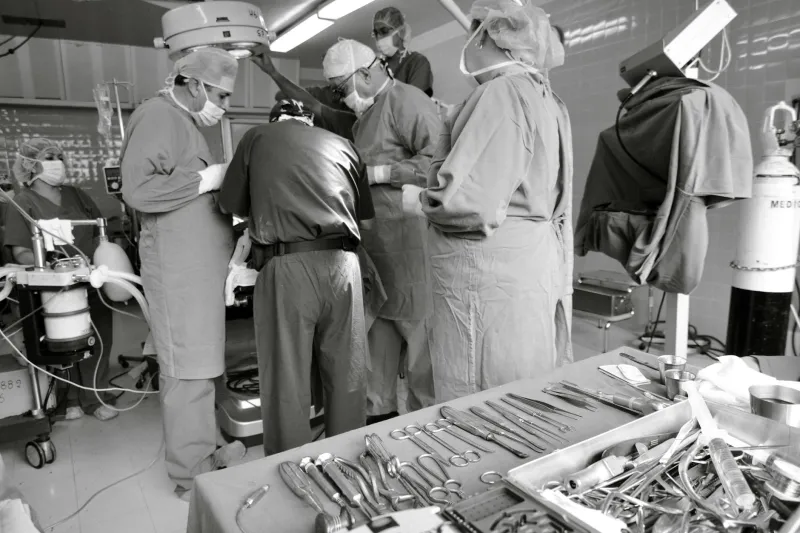
 Photo: Johns Hopkins, via www.reftab.com
Most people would have given up after the first dozen rejections. Chen used them as wallpaper.
The Garage That Changed Medicine
In 1987, Chen converted her garage in suburban Sacramento into what she called "the world's smallest research facility." With $3,000 in savings and equipment purchased from university surplus sales, she began investigating a theory that had earned her nothing but dismissive looks from the medical establishment: that certain chronic illnesses might be triggered by bacterial biofilms that conventional testing couldn't detect.
The idea wasn't entirely original, but Chen's approach was radical. While traditional researchers focused on isolated symptoms, she wanted to map the complete microbial ecosystem in patients with unexplained chronic fatigue, joint pain, and cognitive issues. The problem was that this kind of comprehensive analysis required expensive equipment and institutional backing — neither of which Chen possessed.
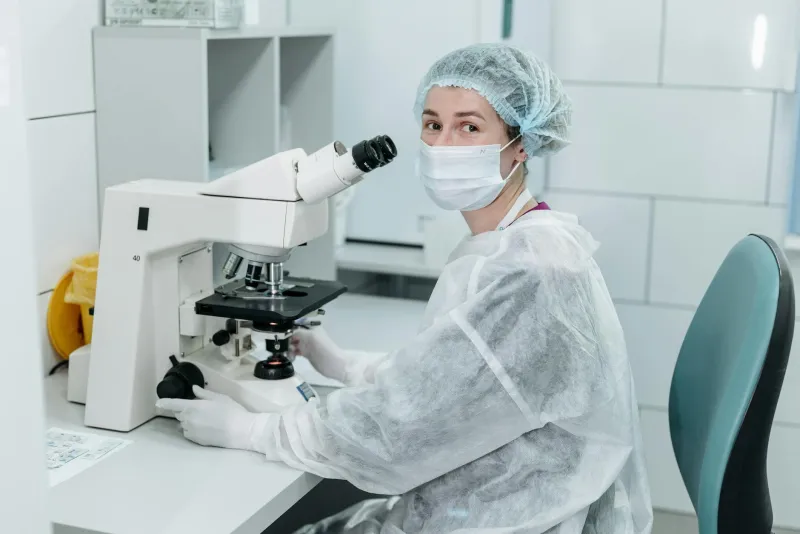
So she improvised. She built her own bacterial culture systems using aquarium pumps and modified mason jars. She taught herself electron microscopy through library books and correspondence with retired technicians. When she needed specialized reagents, she bartered with graduate students, trading homemade lab equipment for access to university supplies.
The Patients Nobody Else Would See
Word spread quietly through patient advocacy groups about the scientist working out of her garage who actually listened to people with mysterious, debilitating symptoms. Chen began seeing patients that other doctors had dismissed as hypochondriacs or suggested were suffering from "stress."
Each patient became a case study. Chen collected samples, documented symptoms, and slowly began to see patterns that the medical establishment had missed. Her subjects weren't lab rats or statistical abstractions — they were desperate people who had been told their suffering was imaginary.
"The beautiful thing about working outside the system," Chen later reflected, "is that you're not constrained by what everyone else thinks is possible."
The Discovery That Couldn't Be Ignored
By 1994, Chen had accumulated data on over 200 patients. Her findings were stunning: she had identified several previously unknown bacterial biofilm formations that appeared to trigger autoimmune responses in genetically susceptible individuals. More importantly, she had developed a treatment protocol that showed remarkable success rates.
The same institutions that had rejected her proposals were now demanding to see her data. The NIH, which had dismissed her work as "unscientific" just years earlier, offered her a research position. Major pharmaceutical companies wanted to license her treatment protocols.
Chen declined most of the offers. Instead, she used her newfound credibility to establish the Independent Chronic Illness Research Foundation, ensuring that future researchers wouldn't face the institutional barriers that had nearly derailed her own work.
The Legacy of Stubborn Curiosity
Today, Chen's biofilm theory is taught in medical schools across the country. Her treatment protocols have helped thousands of patients reclaim their lives. The garage laboratory has been replaced by a proper research facility, but Chen still keeps those forty-seven rejection letters on her office wall.
"They remind me that the most important discoveries often come from the places nobody thinks to look," she says. "Sometimes being an outsider isn't a disadvantage — it's the only way to see what everyone else has missed."
Chen's story isn't just about scientific persistence. It's about what happens when someone refuses to accept that the current system represents the limits of what's possible. In a world where institutional approval often determines whose ideas get heard, she proved that sometimes the most important work happens when you stop asking for permission and start building your own laboratory.
The forty-seven people who said no to Margaret Chen probably thought they were protecting scientific rigor. Instead, they were inadvertently creating the conditions for one of the most significant medical breakthroughs of the late twentieth century. Sometimes the best thing that can happen to a revolutionary idea is for everyone in authority to reject it.