
The Job Nobody Wanted
In August 1960, Dr. Frances Kelsey walked into the Food and Drug Administration building in Washington, D.C., for her first day of work. At 46, she was starting over again — new city, new job, new career phase. The position she'd accepted was hardly glamorous: reviewing drug applications in the FDA's Bureau of Medicine, a backwater assignment that most ambitious doctors avoided.
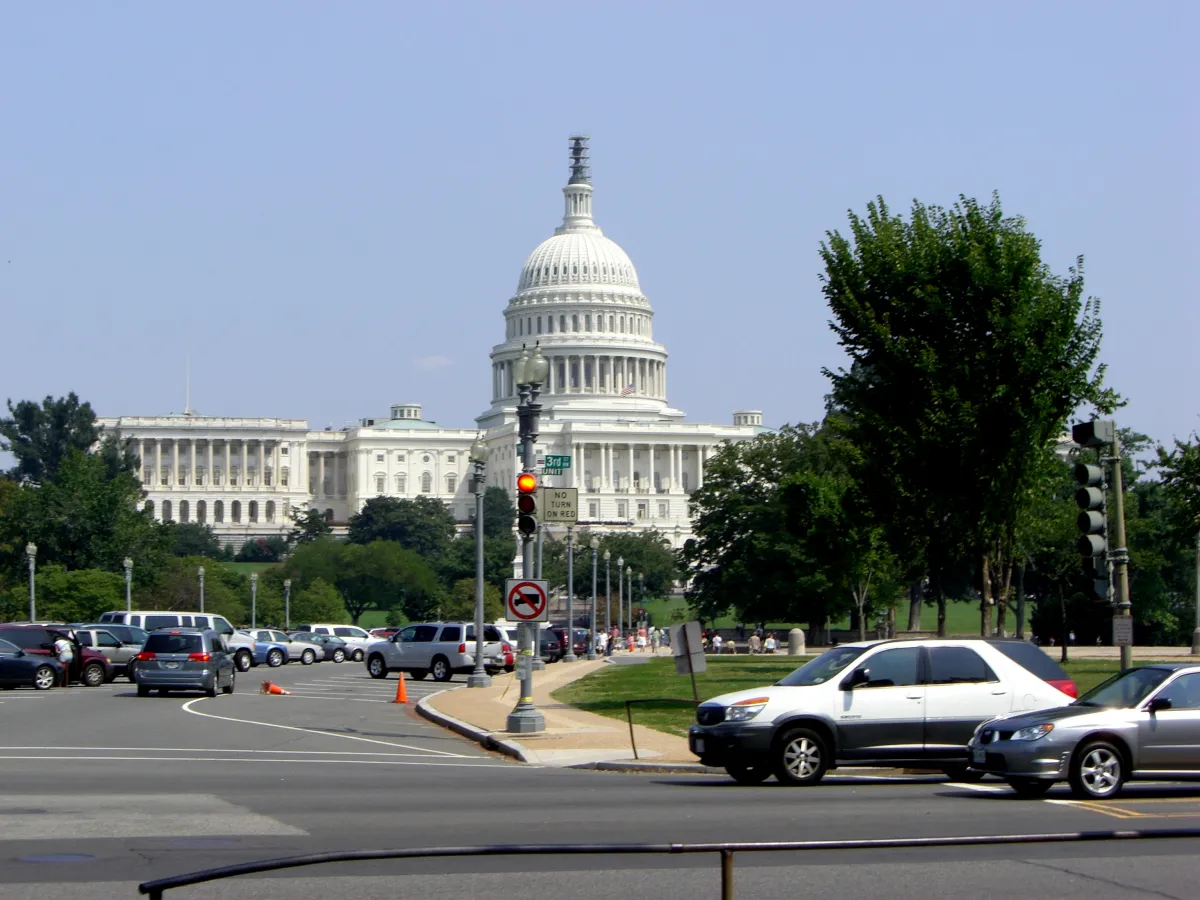 Photo: Washington, D.C., via jooinn.com
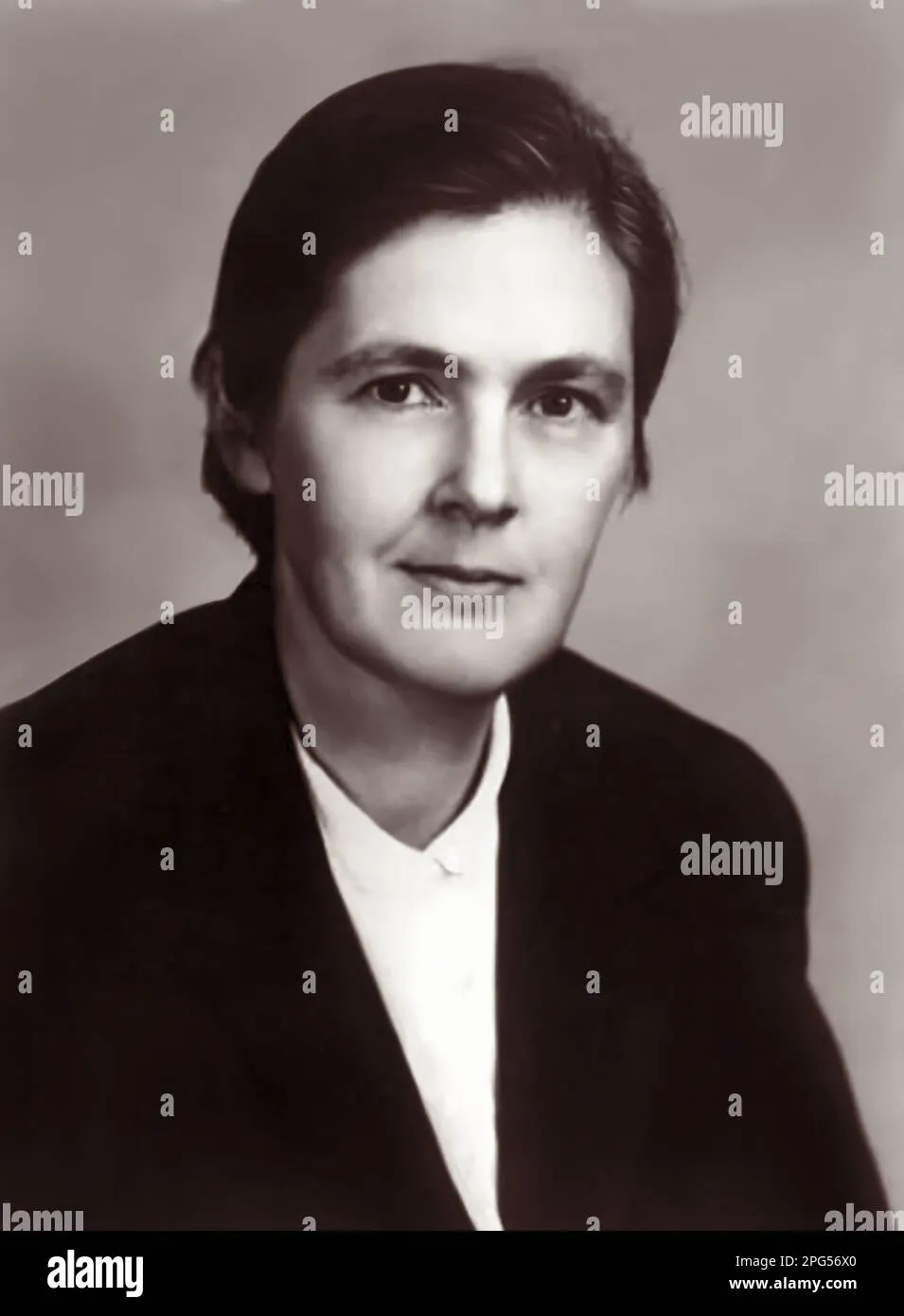 Photo: Frances Kelsey, via c8.alamy.com
Kelsey had spent nearly two decades in academic medicine and research, but government work offered something academia couldn't: stability and a regular paycheck. Her husband's job had brought them to Washington, and the FDA position seemed like a sensible, quiet way to contribute to public health without the pressure of university politics or the uncertainty of research funding.
She had no idea she was about to become the most important person in American medicine.
The Application That Changed Everything
Kelsey's first major assignment seemed routine: reviewing an application from the William S. Merrell Company for a new sleeping pill called Kevadon. The drug's active ingredient, thalidomide, was already approved and widely used in Europe and Canada. Pregnant women especially appreciated its effectiveness against morning sickness.
The application should have been a straightforward approval. Merrell had submitted studies showing the drug was safe and effective. European doctors had prescribed it to thousands of patients without serious problems. The company was already manufacturing the drug and eager to begin marketing it in the United States.
But something bothered Kelsey about the application. The studies seemed incomplete. The data on how the drug was processed by the human body was sketchy. Most troubling, there was almost no information about its effects on developing fetuses, despite its popularity among pregnant women overseas.
The Pressure Campaign
Merrell executives weren't used to delays from the FDA. In 1960, drug approval was largely a rubber-stamp process. Companies submitted their applications, FDA reviewers checked for obvious problems, and new medications reached American pharmacies within months.
As Kelsey continued to request additional studies and safety data, Merrell's patience evaporated. Company representatives called her supervisor, complaining that an inexperienced reviewer was holding up a profitable drug for no good reason. They suggested that perhaps someone with more experience should handle such an important application.
The pressure intensified over months. Merrell executives visited FDA headquarters, arguing that European approval should be sufficient for American patients. They pointed out that American women were being denied a safe, effective treatment for morning sickness because of one reviewer's excessive caution.
Kelsey's colleagues began to question whether she was being unnecessarily difficult. Her supervisor suggested she might want to reconsider her position. The message was clear: approve the drug or find another job.
The Reports That Confirmed Her Fears
In late 1961, disturbing reports began filtering in from Europe and Canada. Doctors were noticing an unusual spike in babies born with severe limb deformities — arms and legs that were shortened or missing entirely. The condition, called phocomelia, had been extremely rare before thalidomide's introduction.
As more reports emerged, the connection became undeniable. Women who had taken thalidomide during early pregnancy were giving birth to children with devastating birth defects. In Germany alone, more than 5,000 babies were affected. Worldwide, the number reached into the tens of thousands.
The drug that had seemed so safe was causing one of the worst medical disasters in modern history. And Frances Kelsey's stubborn insistence on additional safety data had kept it out of American medicine cabinets.
The Vindication That Rewrote the Rules
By 1962, thalidomide was being withdrawn from markets around the world. Merrell quietly withdrew its American application. Frances Kelsey, the "difficult" reviewer who had held up a routine approval, was suddenly being hailed as the woman who had saved American babies from a pharmaceutical catastrophe.
President Kennedy awarded her the President's Award for Distinguished Federal Civilian Service, the highest honor a civilian federal employee can receive. But more importantly, the thalidomide crisis led to fundamental changes in how America regulates medications.
 Photo: President Kennedy, via cdn.pixabay.com
The Kefauver-Harris Amendment of 1962 transformed the FDA from a passive reviewer into an active gatekeeper. For the first time, pharmaceutical companies had to prove their drugs were not just safe, but actually effective. They had to conduct rigorous clinical trials and provide comprehensive safety data, especially regarding effects on pregnant women and developing children.
The Reluctant Revolutionary
Kelsey never sought to become a crusader for drug safety. She had simply applied the same scientific rigor to drug review that she had learned in decades of research. When the data was incomplete, she asked for more. When the studies were inadequate, she demanded better ones.
What made her effective wasn't revolutionary thinking or brilliant insight. It was her willingness to be unpopular, to withstand pressure, and to trust her scientific training even when everyone around her suggested she was being unreasonable.
In interviews years later, Kelsey was characteristically modest about her role. She had simply done her job, she insisted. She had reviewed the application according to proper scientific standards and found it lacking. The fact that this thoroughness prevented a disaster was almost incidental.
The Legacy of Being Last Choice
Frances Kelsey's story reveals something important about how change happens in large institutions. The most significant reforms often come not from the ambitious insiders who understand how the system works, but from the outsiders who don't know they're supposed to go along with business as usual.
Kelsey's position at the FDA was considered a career backwater, the kind of job that serious researchers avoided. This isolation from the agency's power structure actually freed her to make decisions based on scientific merit rather than political pressure. She didn't know she was supposed to rubber-stamp applications from major pharmaceutical companies.
By the time she retired in 2005, after 45 years at the FDA, the agency she had helped transform was recognized worldwide as the gold standard for drug regulation. The rigorous testing requirements that began with her thalidomide review had prevented countless other medical disasters and established principles that guide pharmaceutical development globally.
The Quiet Revolutionary
Frances Kelsey died in 2015 at the age of 101, having lived long enough to see multiple generations of Americans benefit from the drug safety standards she had helped establish. She never became a household name, never wrote a bestselling memoir, never sought celebrity for her role in preventing one of medicine's greatest potential disasters.
But every time an American takes a prescription medication, they benefit from her willingness to be the person who said no when everyone else was ready to say yes. In a culture that celebrates bold visionaries and dramatic breakthroughs, Kelsey's legacy is a reminder that sometimes the most important contributions come from the quiet determination to do things right, even when doing things right makes you unpopular.
The woman who took the job nobody wanted ended up saving more lives than most of the doctors who got the positions everyone coveted.