The Beautiful Mistakes That Made Music History
Some of America's most iconic sounds were born from musical accidents — moments when musicians picked up the "wrong" instrument and discovered their true calling. These aren't stories of careful career planning or methodical skill development. They're tales of serendipity, broken equipment, and the beautiful randomness that sometimes shapes artistic destiny.
Louis Armstrong and the Borrowed Cornet
Louis Armstrong never intended to play the cornet. In 1912, eleven-year-old Louis was sent to the Colored Waif's Home in New Orleans for firing a pistol on New Year's Eve. The home had a brass band, and when the cornet player graduated, they needed a replacement. Armstrong had been playing drums, but the band director handed him a cornet simply because he was the right size to hold it.
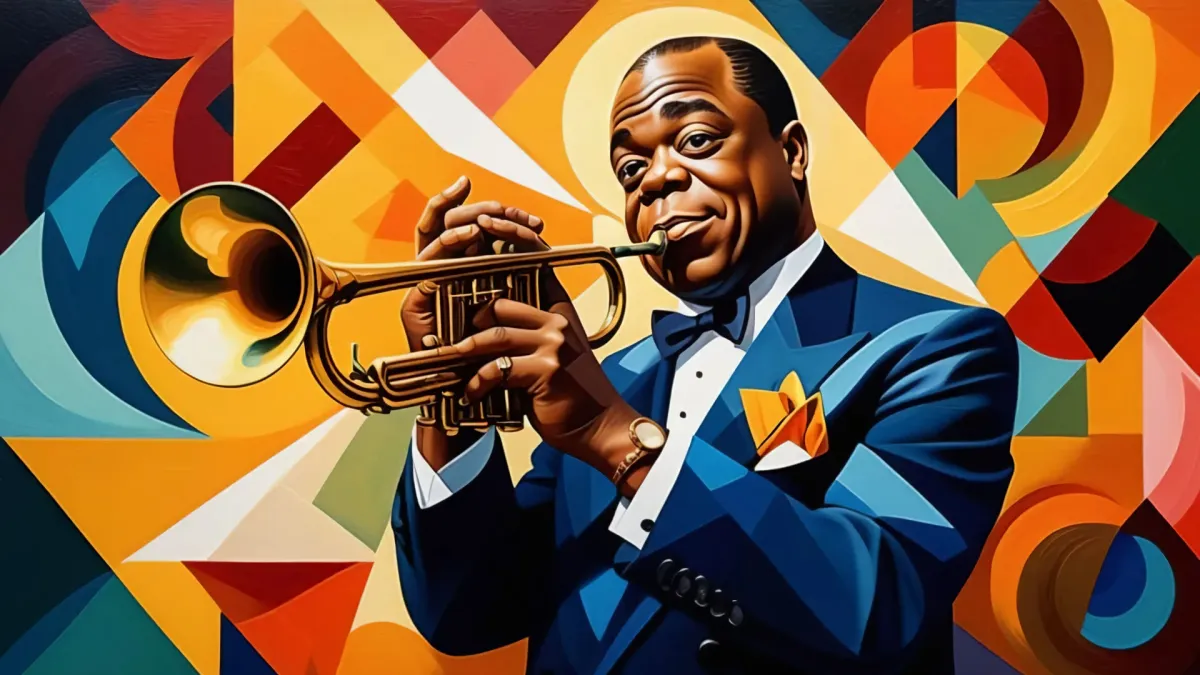 Photo: Louis Armstrong, via compacthistories.com
That accidental instrument assignment changed the course of American music. Armstrong's cornet playing evolved into trumpet mastery that would define jazz for generations. The boy who picked up the horn by default became the musician who taught America how to swing.
Sister Rosetta Tharpe and the Electric Guitar Nobody Wanted
In 1938, Sister Rosetta Tharpe was a gospel singer with a powerful voice and a simple acoustic guitar. But when she arrived at a recording session in New York, the studio had mistakenly set up an electric guitar — a relatively new invention that most musicians viewed with suspicion.
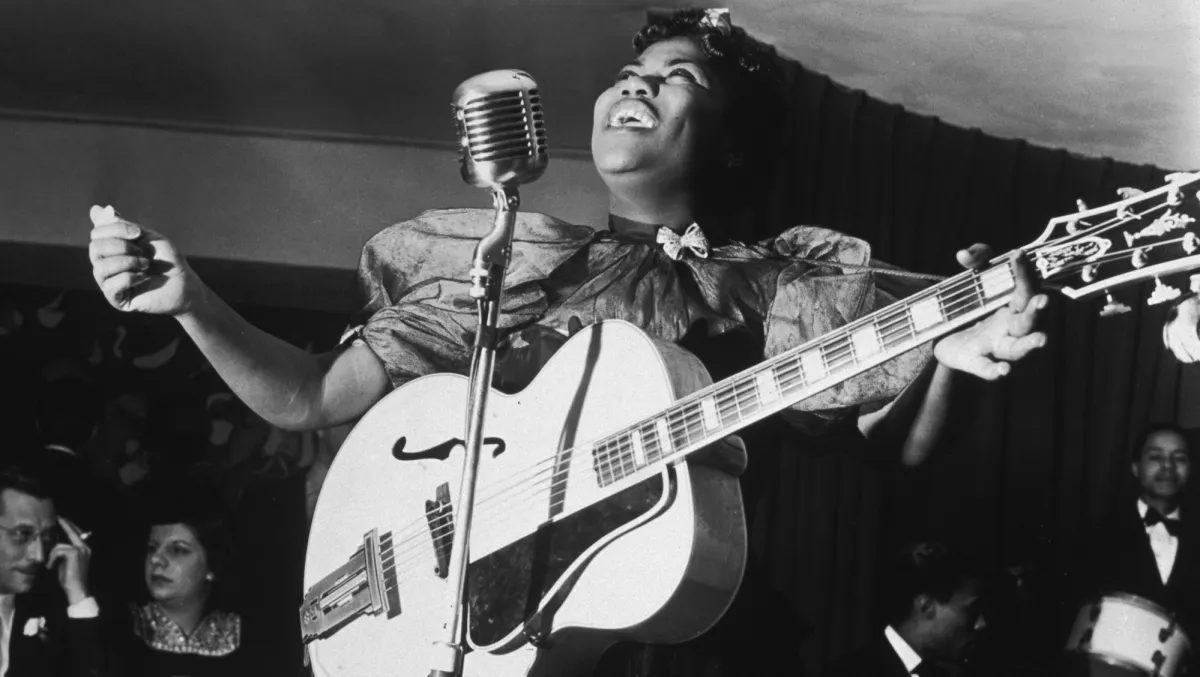 Photo: Sister Rosetta Tharpe, via cdn.mos.cms.futurecdn.net
Rather than wait for a replacement, Tharpe plugged in and started playing. The result was a sound that had never been heard before: gospel music with electric power and rock-and-roll attitude. Tharpe didn't just adapt to the electric guitar; she unleashed its potential, creating a blueprint that Chuck Berry, Elvis Presley, and countless others would follow.
Paul McCartney and the Left-Handed Bass
When Stuart Sutcliffe left The Beatles in 1961, the band needed a bass player. Paul McCartney didn't volunteer for the job — he was assigned it because he was the only left-handed member who could restring a right-handed bass guitar upside down.
McCartney approached bass playing like a frustrated guitarist, creating melodic lines that defied the instrument's traditional role as a rhythm keeper. His accidental bass career produced some of the most recognizable basslines in popular music, from "Come Together" to "Something." The reluctant bassist became one of the instrument's most influential players.
Thelonious Monk and the Out-of-Tune Piano
Thelonious Monk learned to play on a piano that couldn't stay in tune. His family's upright piano in San Juan Hill, Manhattan, had several broken keys and chronic tuning problems. Instead of seeing this as a limitation, young Monk incorporated the instrument's quirks into his playing style.
Those early experiences with a malfunctioning piano shaped Monk's approach to harmony and rhythm. His angular melodies and unconventional chord progressions — the very elements that made him a jazz revolutionary — were born from learning to make music with an instrument that didn't quite work the way it was supposed to.
Bo Diddley and the Cigar Box Guitar
Bo Diddley built his first guitar from a cigar box, a broomstick, and a single wire because his family couldn't afford a real instrument. The homemade guitar produced a unique, percussive sound that conventional guitars couldn't replicate.
When Diddley finally got access to proper electric guitars, he modified them to recreate the raw, rhythmic sound of his cigar box creation. His "Bo Diddley beat" — a syncopated rhythm that influenced everyone from Buddy Holly to The Rolling Stones — was born from the limitations of a makeshift instrument that forced him to think about rhythm differently.
Les Paul and the Railroad Rail Guitar
Les Paul's revolutionary approach to electric guitar began with a 2x4 piece of lumber and a railroad rail. In 1940, frustrated by the feedback and resonance problems of hollow-body electric guitars, Paul built "The Log" — a solid-body electric guitar that most musicians ridiculed as a piece of wood with strings.
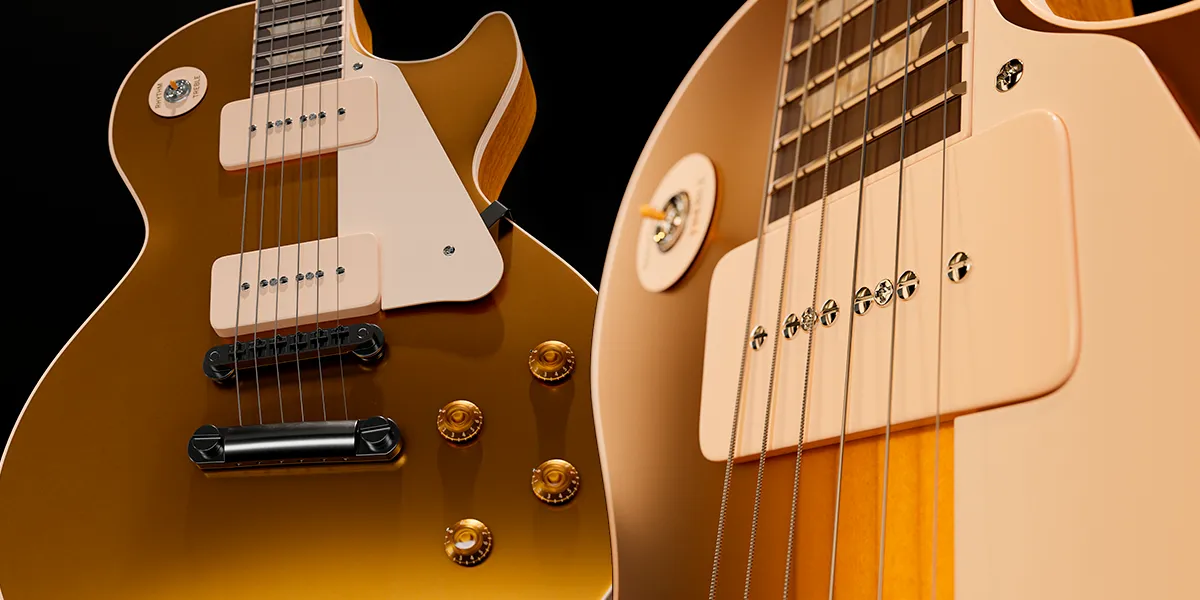 Photo: Les Paul, via assets.superhivemarket.com
Paul's ugly, unconventional instrument solved problems that nobody else had figured out how to address. When Gibson finally partnered with him to create the Les Paul guitar in 1952, they were essentially manufacturing a refined version of his experimental railroad rail creation. The "piece of wood" became one of the most important instruments in rock and roll history.
Muddy Waters and the Electric Blues Revolution
Muddy Waters was a traditional Delta blues musician until he moved to Chicago in 1943 and discovered that his acoustic guitar couldn't compete with the noise of urban clubs. He reluctantly plugged into an electric amplifier, expecting to lose the authenticity of his Mississippi sound.
Instead, he found that electric amplification didn't just make his music louder — it transformed it entirely. The electric guitar allowed Waters to bend notes in new ways and create sustained tones that acoustic instruments couldn't achieve. His reluctant embrace of electric technology created the template for modern blues and, eventually, rock and roll.
Charlie Parker and the Borrowed Alto Sax
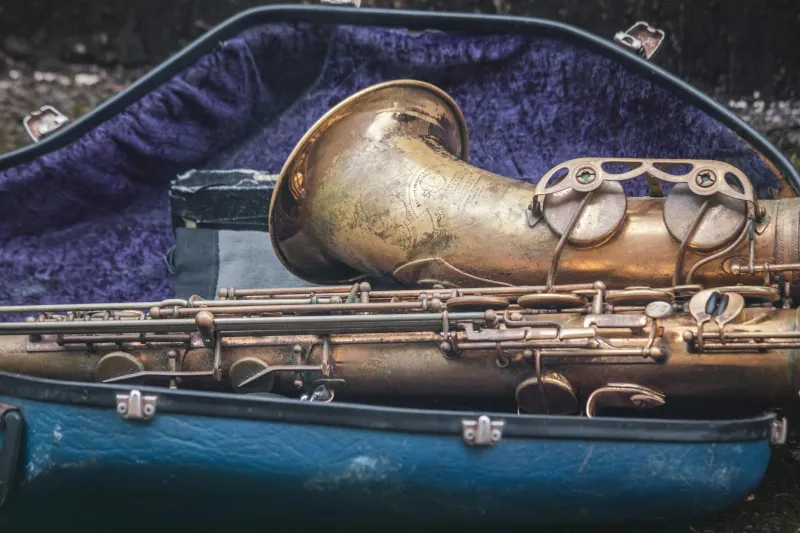
Charlie Parker started as a tenor saxophone player, but when he showed up for a gig in 1937, the only available instrument was an alto sax. Parker had never played alto before, but he needed the work.
The smaller instrument forced Parker to think about melody and harmony differently. The alto's higher register and different fingering patterns pushed him to develop the rapid, complex improvisational style that would define bebop. The saxophone he picked up by necessity became the voice that revolutionized jazz.
The Accident Advantage
These stories share a common thread: musical breakthroughs born from limitation, necessity, and chance. When musicians are forced to work with unfamiliar or imperfect instruments, they often discover possibilities that careful planning would never reveal.
The instruments that chose these musicians — rather than the other way around — became the vehicles for sounds that defined American music. Sometimes the wrong instrument turns out to be exactly right.