The World Said They Were Done. They Were Just Getting Started.
At some point, the world decides it's done with you. Not with a formal announcement — nobody sends a letter. It happens in smaller ways. The callbacks slow down. The meetings stop including you. Someone younger gets the assignment you used to own, and the people around you start speaking about your past in a way that makes it sound very much like your present.
For most people, that's where the story ends.
For these eight Americans, it was barely the beginning.
1. Julia Child — The Kitchen Nobody Wanted Her In
Julia Child didn't publish her first cookbook until she was forty-nine. She didn't appear on television until she was fifty-one. By the standards of the food industry in 1961 — or really by any industry's standards — she was ancient news before she'd even had a chance to be news at all.
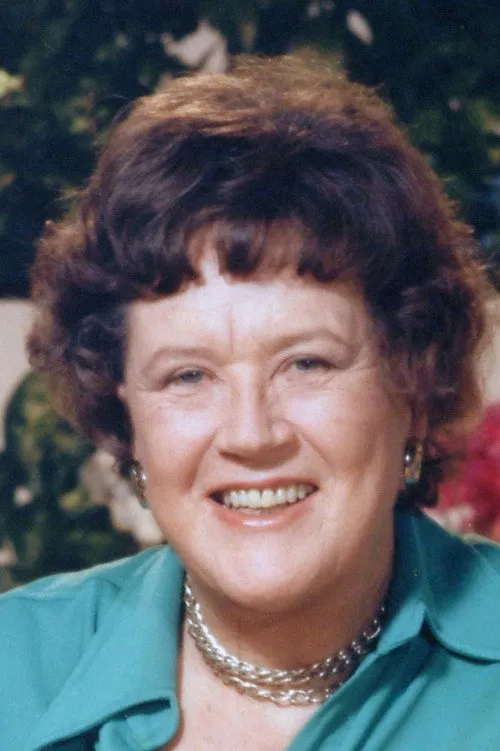 Photo of Julia Child, via TMDB
The publishing world had rejected her manuscript Mastering the Art of French Cooking for years. Too complicated. Too French. Too much of a gamble on a woman nobody had heard of. When it finally came out, it became one of the best-selling cookbooks in American history. When she finally got in front of a camera, she changed the way an entire country thought about food, cooking, and the idea that transformation was something you could do in your own kitchen.
She was still filming new television projects at eighty-seven.
2. Colonel Harland Sanders — The Franchise That Started at 65
Harland Sanders spent most of his working life failing at things. He'd been a farmhand, a streetcar conductor, a railroad fireman, an insurance salesman, and a service station operator, among other occupations. When the interstate highway bypassed his Kentucky restaurant and killed his business, he was sixty-five years old and nearly broke.
He took his Social Security check — $105 — and started driving around the country, pitching his fried chicken recipe to restaurant owners. He was rejected over a thousand times. By the time Kentucky Fried Chicken became a national franchise, Sanders was in his seventies. By the time it became a global brand, he was in his eighties.
Nobody told him he was too old. Or if they did, he was already in the car, driving to the next pitch.
3. Grandma Moses — The Painter Who Started Because Her Hands Hurt
Anna Mary Robertson Moses spent most of her life doing farm work. She didn't begin painting seriously until she was seventy-eight years old — and only then because arthritis had made embroidery too painful. She switched to a brush because it was easier to hold.
Within two years, her work had been discovered by an art collector who spotted her paintings in a drugstore window in Hoosick Falls, New York. Within a decade, she was one of the most celebrated American folk artists of the twentieth century. She appeared on the cover of Time magazine at the age of one hundred.
She completed over 1,500 paintings. Most of them after the age of eighty.
4. Ray Kroc — The Milkshake Machine Salesman Who Built an Empire at 52
Ray Kroc spent decades selling paper cups and milkshake machines. He was good at it, but it wasn't exactly the stuff of legend. When he walked into a McDonald's restaurant in San Bernardino, California, in 1954, he was fifty-two years old, had a bad hip, and had recently had his gallbladder removed.
He was also about to become one of the most consequential businessmen in American history.
Kroc bought the rights to franchise the McDonald's concept and spent the next thirty years building it into the largest restaurant chain on earth. He didn't slow down until his health forced him to, and even then, he remained a dominant presence in the company he'd built. He was seventy-seven when he died — still, by most accounts, working.
5. Vera Wang — The Designer Who Reinvented an Industry in Her Forties
Vera Wang spent years as a figure skater and then as a fashion editor at Vogue, where she worked for sixteen years before being passed over for editor-in-chief. She was forty years old. Most people in her position would have called that a career.
Instead, she became a bridal wear designer — a field she entered with no formal design training — and within a decade had redefined what American wedding fashion looked like. Her designs became the standard against which every other bridal designer was measured. She expanded into ready-to-wear, accessories, and home goods, building a brand that generated hundreds of millions in annual revenue.
She was forty when the industry said she'd missed her window. She was just opening it.
6. Frank Lloyd Wright — The Masterpiece He Built at 91
Frank Lloyd Wright was already one of the most celebrated architects in American history when he designed the Guggenheim Museum in New York. He was also eighty-six years old when the building opened in 1959 — and he died six months before he got to see it finished.
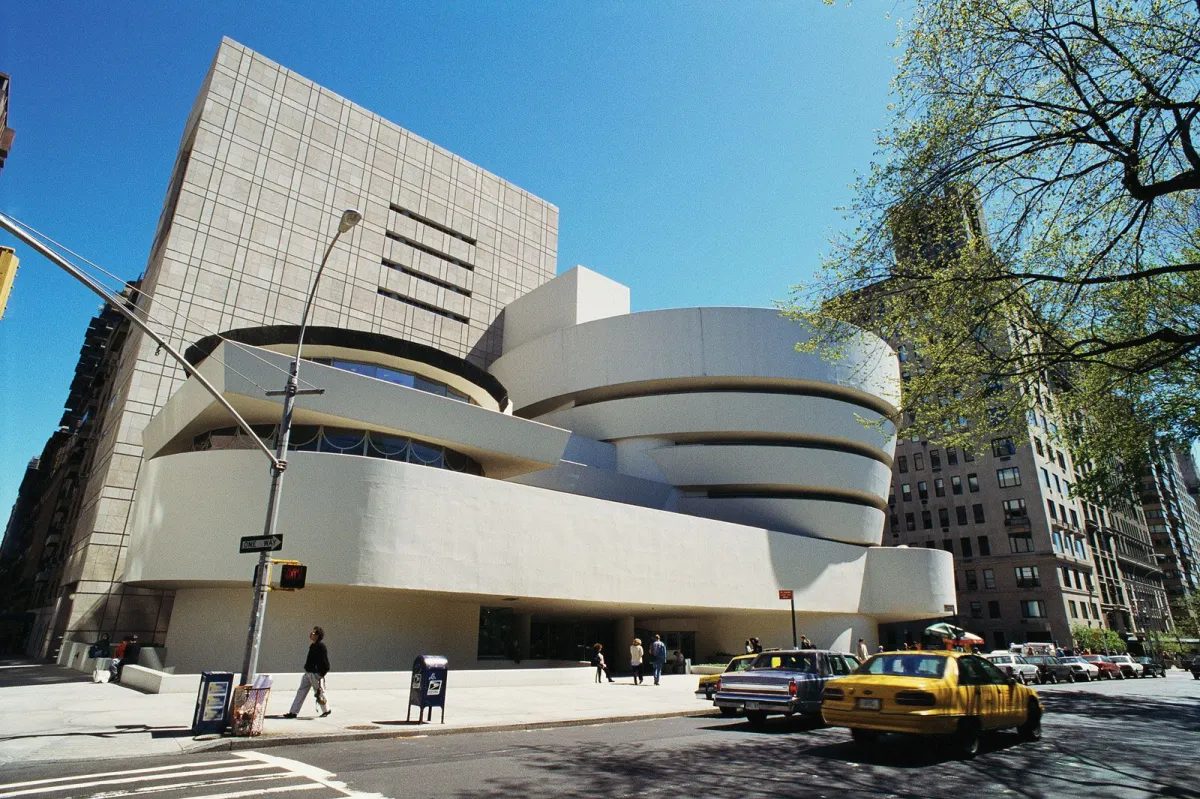 Photo: Guggenheim Museum, via cdn.britannica.com
But the Guggenheim wasn't even his last project. At ninety-one, Wright was still producing designs. His final years were among his most productive, and some critics argue that his late work showed a freedom and formal boldness that his earlier career, however brilliant, hadn't quite reached.
The world had declared him a legend — which is another way of saying it had put him in the past tense. He kept working in the present tense anyway.
7. Laura Ingalls Wilder — The Novelist Who Didn't Publish Until 65
Laura Ingalls Wilder spent most of her adult life farming, raising a family, and writing a newspaper column in Missouri. She was sixty-five years old when her first novel, Little House in the Big Woods, was published in 1932.
Over the next decade, she wrote eight more books. The Little House series became one of the most enduring works of American children's literature — later adapted into a television series that ran for nine seasons and introduced her world to entirely new generations of readers.
She was in her seventies when the series was complete. The books have never gone out of print.
8. Sam Walton — The Retailer Who Redefined American Commerce at 44
Sam Walton opened his first Walmart in Rogers, Arkansas, in 1962. He was forty-four years old and had already spent years building and then losing a successful retail business — a Ben Franklin franchise that he'd grown into one of the top-performing stores in the region, only to have his landlord refuse to renew his lease.
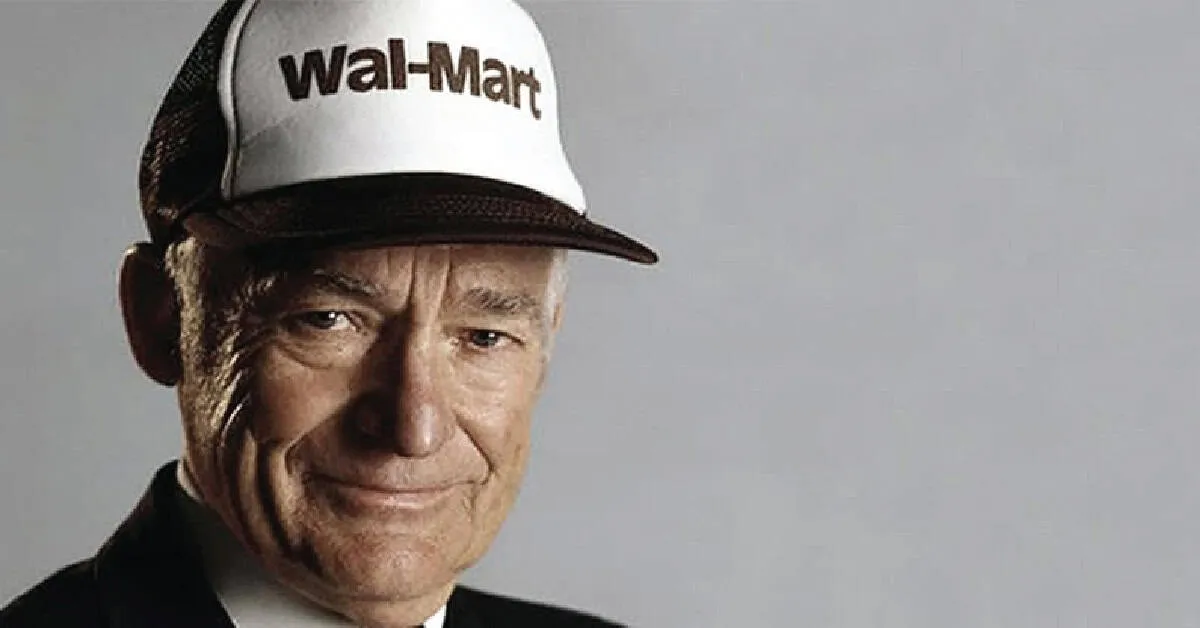 Photo: Sam Walton, via www.archbridgeinstitute.org
He started over. Walmart grew from one store in a small Arkansas town to the largest retailer in the world. Walton remained deeply involved in the company's operations into his seventies, visiting stores, talking to employees, and pushing for the kind of relentless improvement that had driven him since before most of his competitors were born.
The Thing They All Knew
Eight people. Eight different fields. Eight different versions of the same moment — the one where the world looks at you and quietly decides you've had your run.
What's striking, looking at these lives together, is not that they all found success late. It's that none of them seem to have accepted the premise that late was even a meaningful category. They weren't racing a clock. They were chasing something specific — a vision, a recipe, a design, a story — and the clock was simply not the most important thing in the room.
Age is a real variable. It affects the body, the energy, the options. Nobody is arguing otherwise. But it is not, as these eight lives make abundantly clear, a verdict.
The greatest last acts are rarely the ones anyone sees coming. That's what makes them last.