The Night Shift Architect
Mario Castellanos never planned to revolutionize American kitchens. He just wanted the pain in his back to stop.
Every night at Gino's Family Restaurant in Newark, New Jersey, Mario would finish his dishwashing shift at 11 PM and walk home to a cramped apartment he shared with three cousins. But instead of collapsing into bed like any reasonable person would after ten hours of scrubbing pots, Mario would sit at his kitchen table with whatever paper he could find—napkins, grocery bags, the backs of utility bills—and sketch.
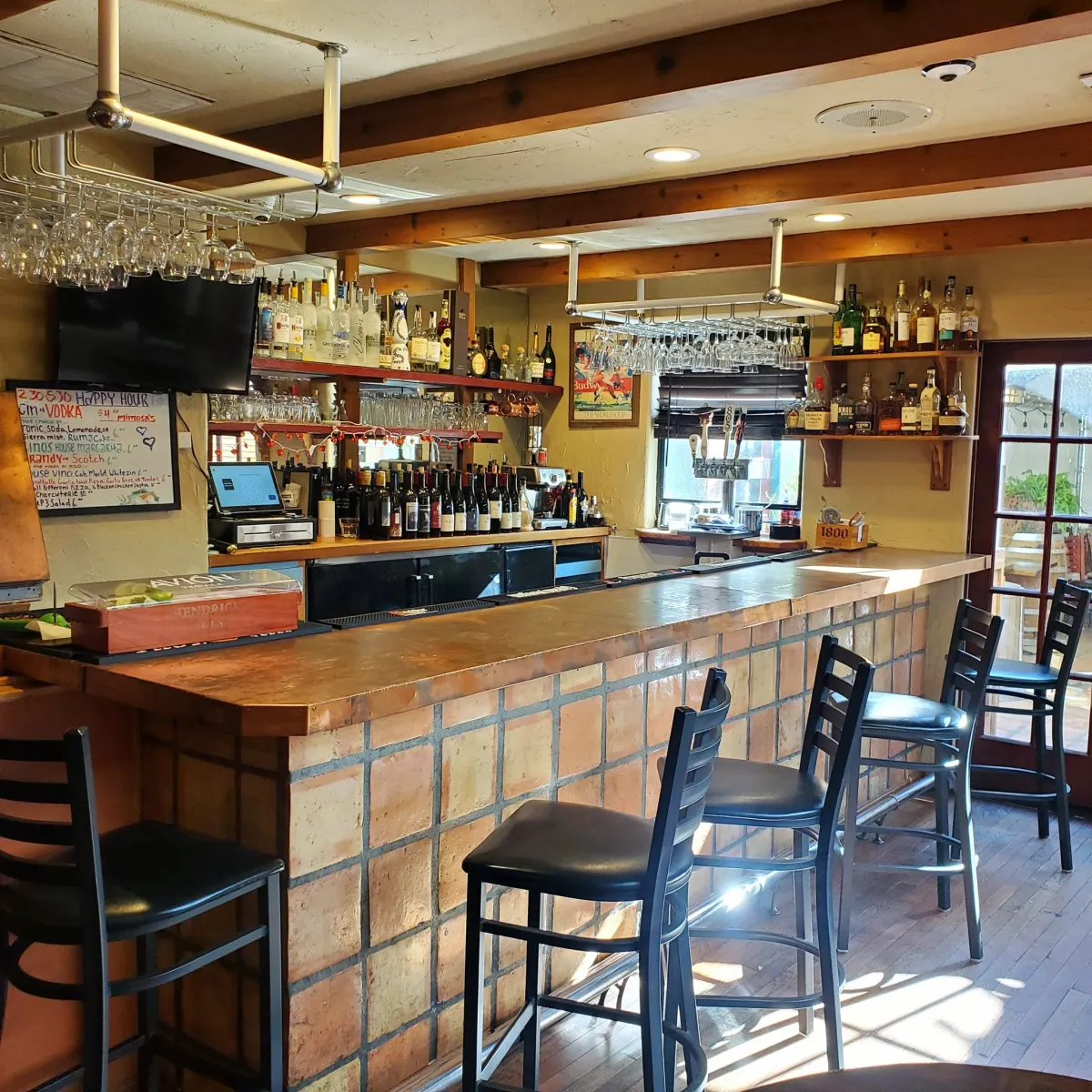 Photo: Gino's Family Restaurant, via images.squarespace-cdn.com
The sketches weren't art. They were solutions.
"The kitchen at Gino's, it made no sense," Mario would later recall in broken English that somehow conveyed more clarity than most architectural presentations. "The stove too far from the sink. The prep table in the wrong place. Every night, we walk in circles like chickens."
So Mario drew better circles.
The Education Nobody Asked For
While other immigrants in 1960s Newark were taking English classes or trade school courses, Mario was conducting his own graduate program in kitchen efficiency. He studied the dance of short-order cooks, timed the steps between refrigerator and grill, measured the reach required for every cabinet door.
He had no formal training in design or architecture. What he had was eight hours a night, five days a week, watching professional kitchens operate at their breaking point.
"I see the chef, he get angry because the plates are too far," Mario explained decades later. "I see the waitress, she bump into the cook because there's no space to pass. I think, 'Why nobody fix this?'"
So Mario started fixing it, one sketch at a time.
His designs weren't revolutionary in concept—they were revolutionary in their obsessive attention to the actual human beings who would use these spaces. While architecture schools were teaching grand theories about form and function, Mario was calculating the exact height that would save a dishwasher's spine after a twelve-hour shift.
The Paper Bag That Changed Everything
By 1967, Mario had filled three shoeboxes with sketches. Kitchen layouts that maximized counter space while minimizing steps. Storage solutions that kept frequently used items within arm's reach. Lighting plans that eliminated shadows where knives moved fastest.
His English had improved enough that he started visiting architecture firms during his lunch breaks, carrying his sketches in a worn manila folder. The reception was always the same: polite dismissal.
"They look at my drawings like I'm showing them pictures of my children," Mario remembered. "Very nice, very nice, but why are you here?"
One particularly brutal rejection came from a prestigious Manhattan firm, where a junior architect explained that kitchen design required "proper training and credentials." Mario walked out, crumpled his latest sketch—drawn on a paper lunch bag—and tossed it in the lobby trash can.
Twenty minutes later, contractor Jimmy Torrino was in that same lobby, waiting for a meeting about a residential project. Bored, he glanced at the crumpled paper sticking out of the trash.
What he saw made him fish it out and smooth it against his knee.
The Break That Built an Empire
The sketch on that lunch bag wasn't just a kitchen layout—it was a revelation. Jimmy had been building custom homes for fifteen years, and he'd never seen a design that so perfectly understood how families actually lived.
"Most architects, they design kitchens like they're art galleries," Jimmy said years later. "This guy, he designed them like somebody's grandmother was going to cook Sunday dinner for twenty people."
Jimmy tracked down Mario through the restaurant and offered him fifty dollars to redesign the kitchen in a house he was building in Westchester County. Mario agreed, but only if he could watch the family use the space for a month before finalizing the plans.
That first kitchen became Jimmy's calling card. Within a year, he was booking projects six months out, all because word had spread about "the contractor who builds kitchens that actually work."
The Quiet Revolution
Mario never became famous. He never opened his own firm or had his name on a building. But for the next thirty years, he worked alongside Jimmy Torrino, redesigning the heart of American homes one family at a time.
His innovations became industry standard so gradually that nobody noticed: the "work triangle" that minimized steps between sink, stove, and refrigerator. Counter heights adjusted for the actual heights of the people using them. Storage systems that put everyday items at eye level and special occasion pieces on high shelves.
By the 1990s, every major home improvement magazine was featuring "ergonomic kitchen design" as the latest trend. Design schools were teaching "human-centered architecture." Mario would read these articles and smile, recognizing his own sketches refined and repackaged.
The Legacy in Every Home
Mario Castellanos retired in 1998, having personally designed over 2,000 kitchens. He never sought patents or publicity. He just wanted to solve problems for people who reminded him of his own family—immigrants working long hours who deserved to come home to spaces that made their lives a little easier.
Today, walk into any well-designed American kitchen and you'll find Mario's influence: the prep sink positioned exactly where you need it, the spice rack at perfect reaching height, the flow that lets multiple people cook together without collision.
The dishwasher who couldn't afford architecture school had quietly taught an entire industry how to design spaces for the people who actually live in them. Sometimes the most lasting revolutions happen not with manifestos or movements, but with someone who simply refuses to accept that things have to be harder than they need to be.
Mario kept sketching until the day he died, still convinced that every kitchen could work a little bit better.